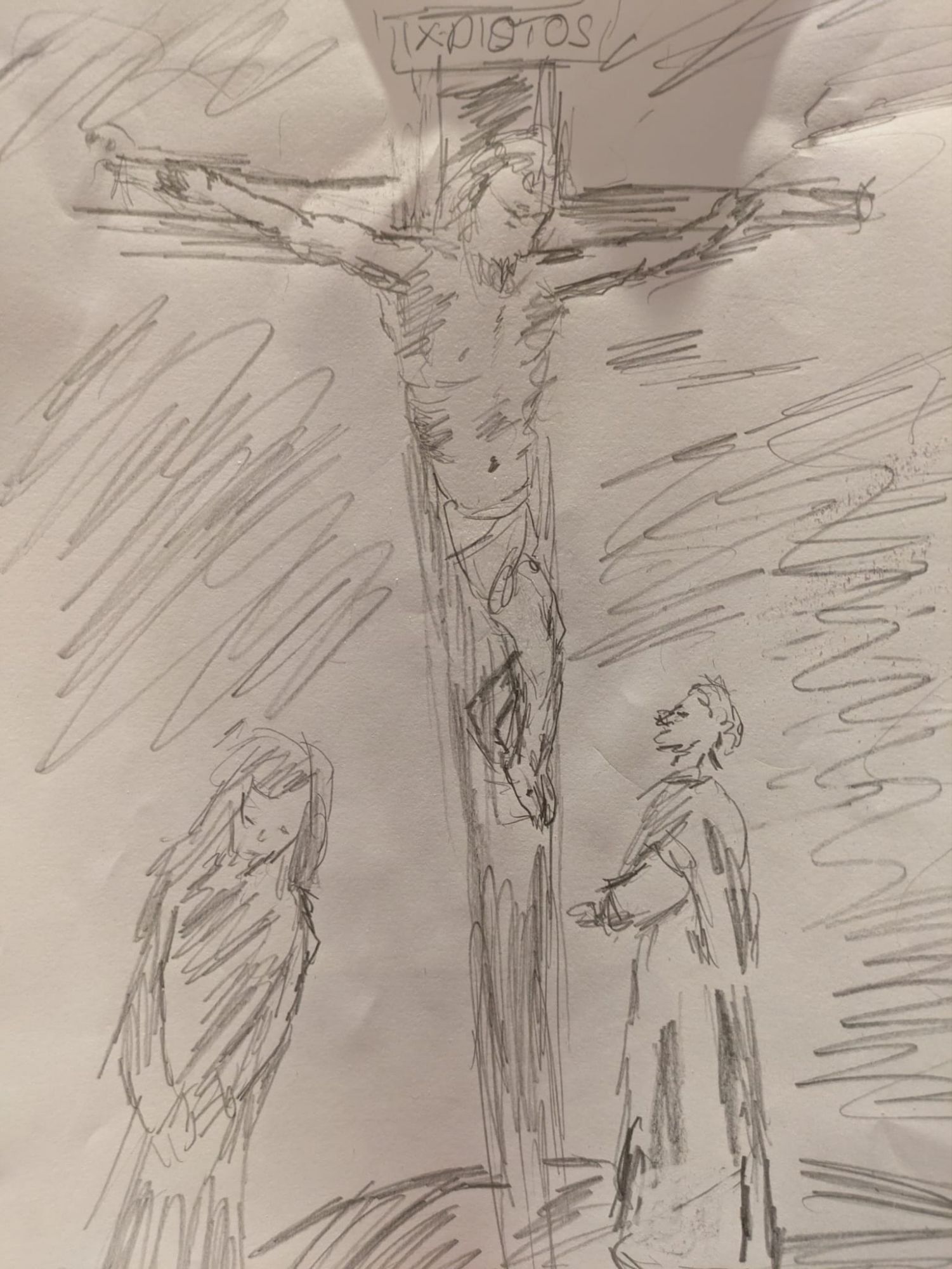
The other day, I published a friend’s review of the film “King of Kings”. I’ve just seen another review from Growing Young Disciples. The differences between the reviews are remarkable. Whilst both are generally positive about the film, the GYD review includes a couple of comments which markedly shift the tone.
First, the review asks the question “should we encourage families to go and see the film?”. This immediately creates an air of suspicion. This could be dangerous business. The answer is that we can go and see the film but we need to have discernment because of its weaknesses.
One example of a weakness is to do with paraphrasing choices. The statement “I have come to give my life as a ransom for many.” becomes “I have come to give my one life for the benefit of multitudes.”
The reviewer complains that this has toned down the idea of ransom and this is concerning in a world that sells short on the Gospel. This really does look like not picking to me. It worth remembering that the film will.becwatched by children and words and concepts such as “ransom” will not be familiar to them. I’m inclined to see this as child friendly language rather than anything sinister. It’s certainly no worries rse than your average children’s Bible. But further more, as Ryan picks up, the film doesn’t duck but rather engages with meaty issues such as Jesus bearing the penalty.
There’s also a hyper nervousness around the way imagination comes into the film. I’m much more relaxed about the ability that people have to distinguish imagination from real. And that playing around between imagination and deep reality is not uncommon to Christian history whether in CS Lewis” Narnia takes. Yes, I draw the line at full grown adults saying Aslan is on the move” but there is a definite blurring in the stories. Or even take the classic children’s hymn lyrics “I sometimes think about the cross and shut my eyes and try to see.”. Indeed a significant experiential dynamic is about placing ourselves in the story. What the reviewer describes seems to reflect that kind of artistic device which closes the distance between now and then.
Now the point of course is that Christian parents are not going to see the film expecting it to replace their responsibilities to teach their children about Jesus or take them to church. Nor are we expecting the film to do all the evangelistic heavy lifting for non Christians.
I must admit that tht begrudging tone reflects a lot of conservative Evangelical engagement with culture. How much of this is really about warning of potential dangers and how much of it is the need to find issue in order to signal or reformed orthodox virtues?
 Faithroots