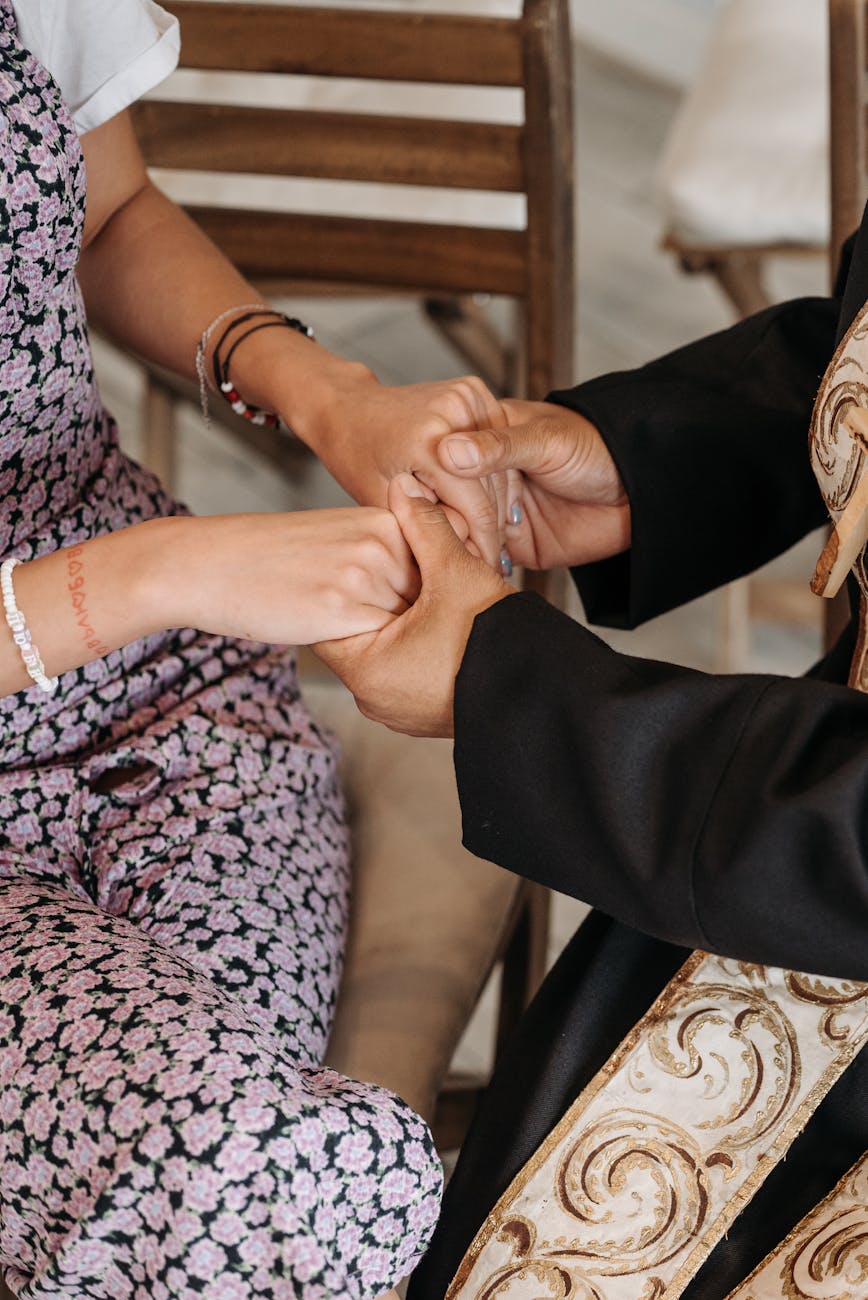
I’ve recently been thinking about robust pastoral care systems. I’ve also been talking a bit about deliverance ministry. Putting the two together, here is a first stab at a pastoral care policy/giudance notes for pastoral care in deliverance contexts.
Context -why this is important
- We believe in the reality of the devil, evil spirits and spiritual warfare.
- There will be a diversity of views within a churchl over exactly what that looks like in practice.
- This is against the context of a prevailing worldview which dismisses spiritual reality and so is likely to treat the idea of demons and demonic activity with incredulity and suspicion.
- There is a strong overlap between experiences and evidence of demonic activity and medical health issues including physical, mental and emotional needs.
- The overlap also means that we are likely to dealing with people categorised as “at risk” or vulnerable and so there are safeguarding implications
Background
We believe in the reality of the Devil and demons or evil spirits and malign spirits. We believe that it is possible for someone to be possessed by an evil spirit. Possession is distinct from other tactics of the devil, specifically to temptation. The consequences of possession are the disordering and disintegration through a combination of spiritual, emotional, mental/cognitive and physical factors. Scripture distinguished illness both physical and mental which are due to natural/medical causes from those that are caused specifically by demon possession.
A believer is indwelt by the Holy Spirit and so cannot be possessed by an evil spirit. There are however differences of opinion over whether or not a demon can specifically oppress a believer or whether evil spirits can exercise control over geographical places such as homes or workspaces by inhabiting them. However, again we would recognise that there is a sense in which the enemy can have significant influence over people and places in a similar way to how regimes might exercise influence through their proxies (think of Iran’s influence in the wider Middle East). For example, a place may be associated with memories of past, harmful events that cause anxiety and distress to other people.
How the enemy attacks
When engaging pastorally with people, it is important that we are aware of the multiple ways in which the enemy can seek to cause them harm. It is important that we respect the person and their wellbeing. This is likely to mean:
- That we do not rush to presume demonic possession as first resort. Scripture suggests that this is likely to be overt and obvious with demons often clearly identifying themselves.
- That we listen to the person and those around them that they trust including family members.
- That in and of themselves physical manifestations should not be treated diagnostically as evidence either for or against demonic influence. In the same way, we do not treat the presence or absence of physical manifestations as definitive evidence one way or the other in relation to the Holy Spirit’s work.
- That we do not talk in terms of evil spirits/demons in a way that might be heard as dismissive of a medical or potential medical diagnosis whether for a physical or mental ailment or personality disorder.
- That we are aware that whether we are dealing with evil spirits or medical ailment that the affects are likely to lead to a situation where the person presents as “at risk” and so therefore should be engaged with in line with church safeguarding policies.
How to respond
Where there is clear and overt evidence of possession, any Christian should be confident to rebuke and tell the spirit to leave in Jesus’ name. There is no need for complex processes nor for invasive ritual and reputation. It is important to be alert to how lengthy prayers, significant physical contact and raised voices may be experienced and perceived.
Whilst any Christian can rebuke an evil Spirit, there are likely to be complex pastoral implications in relation to the person and so they should be followed up by a church elder/leader within a timely fashion.
Where the situation is more complex, caution would be encouraged. It is wise to seek second opinions and for pastoral response decisions to be made plurally by church elders. Additionally, it is important to get as much information as possible concerning experiences of trauma, medical diagnosis, medication etc.
Where a person expresses concern about the presence of evil in their home, it is often beneficial to offer to pray in the home and to banish evil. This is usually the case whether or not we believe there to be specific spirits present in the home.
In such cases, it is important to respect the boundaries of the person’s own home space and to be alert again that they are likely to be classified as a person at risk. Good practice would mean that:
- We await their clear invitation for us to accompany them and that we agree a time which is convenient to them with clear notice.
- We are aware of anyone else who may be living in the home and their personal space. We should not enter another family member’s room without their permission.
- It is wise to arrange a visit where possible during normal day time hours, though this may not be possible if there is someone in significant distress at night.
- We are alert to health and safety implications including the possibility that a person may experience physical/spiritual manifestations during prayer. Be aware of any hazards, eg that someone might fall onto hard surfaces.
- As soon as possible another leader/elder should be contacted to let them know of the situation both prior to a visit so that they can be praying and following the visit to report on what happened and any outcomes.
- Someone should check in with the person within 24 hours of the visit.
Conclusion
Whenever facing such situations it is helpful to remember that we have a real enemy. Our knowledge of this will place us at odds with the cultural assumptions of wider society. However, it is important to be obedient to God’s Word. We also can be confident that “He that is in us is greater than he that is in the World.
 Faithroots