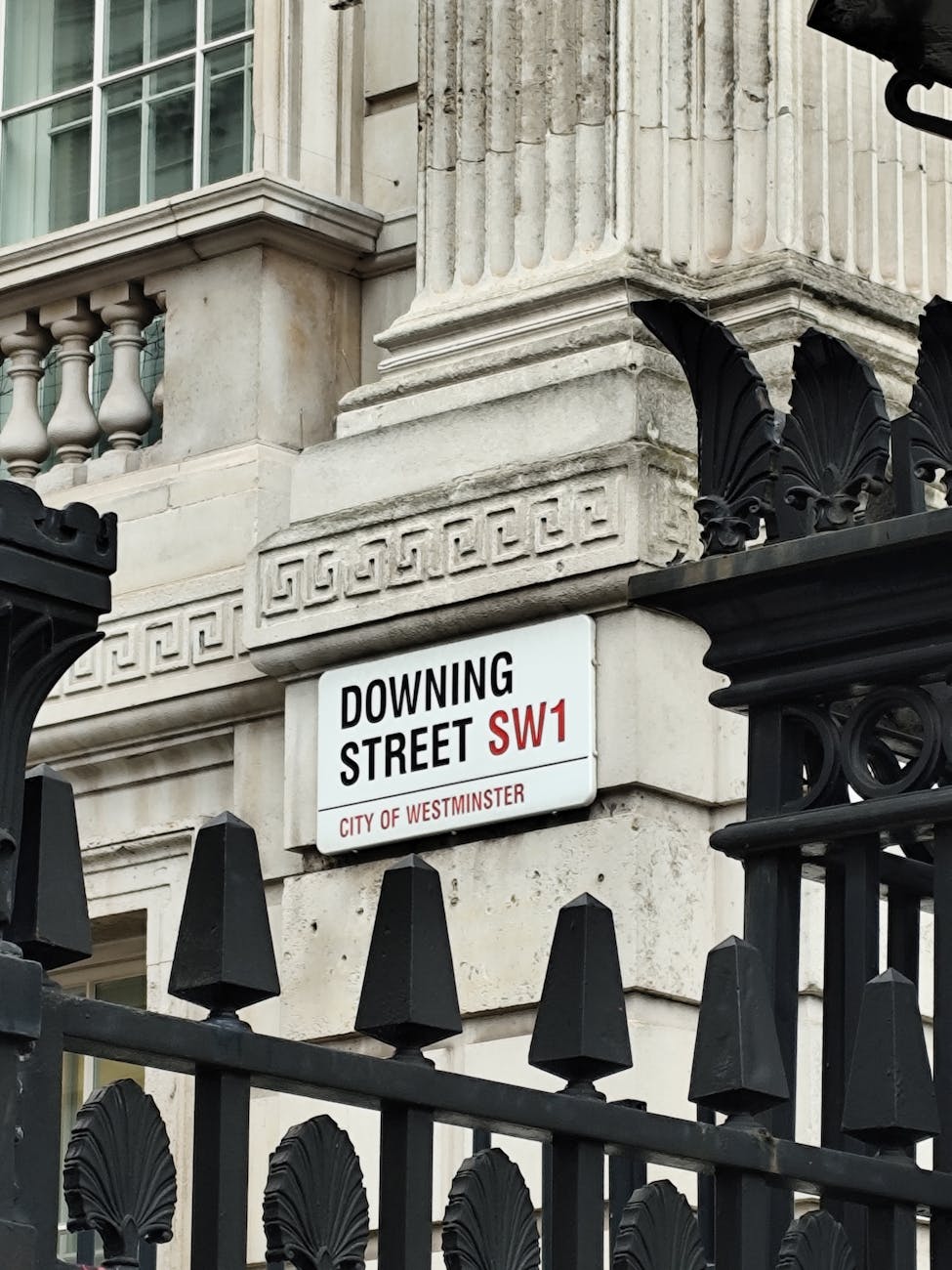
It has emerged this week that despite claims and suggestions to the contrary, Peter Mandelson did not pass the necessary security checks before being appointed as the US ambassador. This has created further problems for Keir Starmer as he had previously insisted that due process had been followed. Opposition leaders are now arguing that he has broken the ministerial code and misled the House. They are calling for him to resign.
The Prime Minister’s defence is that the decision to overrule the security vetting was made by civil servants, specifically Olly Robbins, the then permanent secretary at the Foreign Office. Robbins has now been sacked. However, there are three remaining problems for Starmer. First of all, there is precedent in that Amber Rudd resigned as Home Secretary for inadvertently misleading the House whilst Boris Johnson was found to have “recklessly” misled the House. We will come back to Johnson because I think that is significant. The second problem is that the ministerial code requires a minister to correct the record if they become aware of an error at the earliest opportunity. Starmer had the opportunity to do that as soon as PMQs on Wednesday or could have requested to make an urgent statement.
The third problem is to do with taking responsibility at the time and this is perhaps the most critical. Appointing Mandelson was one of the biggest personal, political and governmental decisions that Sir Keir Starmer made in his first year in office. It was his responsibility, it was him that would benefit the most if the appointment was a success and would be hurt the most if it failed. It was not Olly Robbin’s responsibility. You would expect him to be demanding, insisting that he saw the relevant document before confirming the decision, especially given that he already knew there were concerns and risks. You would also have expected the Foreign Secretary to show an interest. Their complete lack of curiosity in the matter is perplexing. I understand that the Prime Minister is going to make a statement on Monday and I presume that Kemi Badenoch if she has any sense will avoid lengthy comment herself (a mistake she tended to make in early PMQs). Instead, one sharp quesxtion will suffice.
“Why did you not ask whether or not he had passed security vetting? Was it because you didn’t think that you needed to know or because you did not want to know?”
Returning to Johnson, I think that the choice of language concerning his misdemeanour is telling. The word “reckless” seems to sum up public perception of Boris. And that was how his government and Number Ten under his tenure became to be perceived, reckless, chaotic, dysfunctional, careless, self-absorbed. So, whilst there may be an argument that he was not directly responsible for Partygate, there was a sense in which he had to be held responsible for the culture around him because the leader creates, shapes and gives permission for that culture.
Now, whatever anyone might say about the current Prime minister, I doubt that the word “reckless” would be one immediately associated with his character and demeanour. You are more likely to think of him as being careful, meticulous, on the detail. In fact, the assessment would be that he is more likely to be involved in the detail, handing issues like a lawyer’s brief to the point where he might miss the big picture. This then leaves us with a question. You see, first of all, rule 1 in the 101 of making appointments is to make sure you have seen the relevant vetting signed off. So, why did Starmer seem to show so little interest in the legalities and process of this significant appointment when he frequently shows such concern in other matters? Secondly, what led a senior civil servant to believe that it would be preferable if the paperwork wasn’t passed across the Prime Minister’s desk? That senior officials assumed that something was permissible and beneficial raises questions about the culture, just as it did with Boris.
Now, I wouldn’t be surprised if the Prime Minister survives a bit longer. It’s actually not in the interests of opposition parties to finish off his leadership. A weakened, wounded lame duck suits them. I suspect that there was a difference back in 2022 in that whilst Johnson clearly was wounded, he was still seen as an electoral threat to opponents. I suspect that Badenoch and Farage would still prefer to be up against Starmer and a new leader positioning to the left might stop the Greens’ bandwagon too. What did for Boris was that senior Conservatives turned against him but at that stage, though we may have forgotten it, the situation looked recoverable for the Tories. Meanwhile, I suspect that no one really wants to be Labour leader and Prime Minister in this government.
In any case, I’m less concerned, as always with the political implications, though of course I personally find it all interesting. Rather, my concern is for the lessons we can learn. I remember R Kent Hughes arguing that the culture of the church looks like the character of the pastor and the culture of his relationship with his wife and family. We are responsible for the culture in our churches and if we have wider responsibilities such as for church networks for that culture too.
What kind of culture are you creating, shaping and giving space for. Is it a culture that honours Christ, builds one another up and is welcoming and loving?

