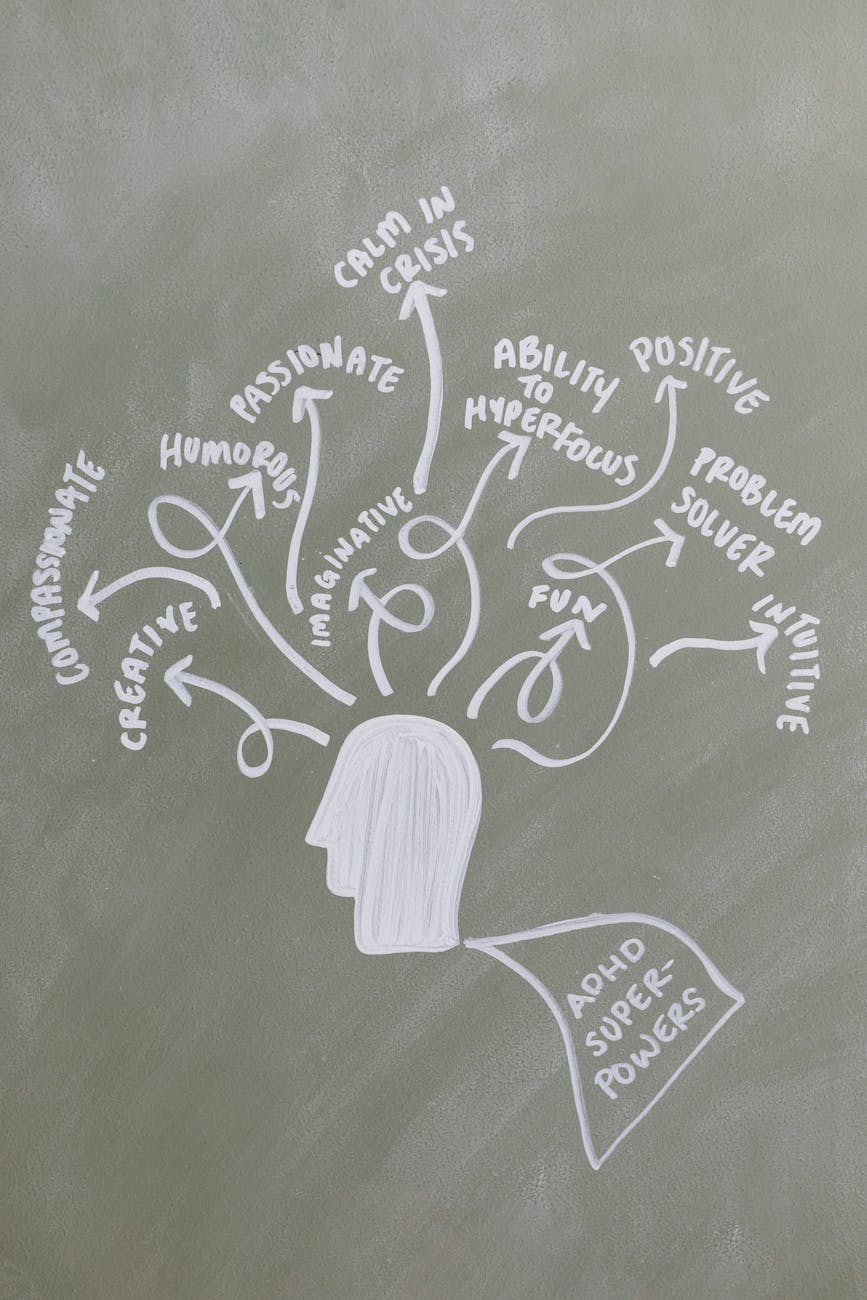
We value Freedom of Expresssion/Freedom of Speech. It’s enshrined in our law as part of our human rights. It’s funny that this seems to be one of the few human rights that right wing/libertarian commentators seem to think should be afforded legal protection.
Free speech is often presented in terms of the right to deliver home truths, to be allowed to say things that others find offensive because they are, well, the truth. However, I’m inclined to think that it is just as often the case to spout off anything you like that pops into your head. The problem I have which much that is pronounced under this protection is not that it is offensive but rather that it is just the baseless, unsupported pontification of someone who has a platform to speak and therefore feels no need to carefully research, train or gain experience in the area they pronounce on. I am free to announce that I believe the earth goes round the sun.
Take this example in the Daily Telegraph
“The British taxpayer is being taken for an ever-more-expensive ride. It is seemingly not enough that we must support six million public sector workers, spaff £400 million on legions of DEI staff or pay £200 billion a year for a health service on life support: Whitehall’s big spenders are endlessly looking for new ways to empty our bank accounts.
Arguably their most troubling new spending frontier is “neurodiversity”. It’s one of those new age, suitably fuzzy terms which we don’t quite understand but have to pretend has always been a part of our lexicon – similar to “equity”, “intersectionality” or “microaggression”. Officially, though, it’s a spectrum of illnesses, from ADHD to dyspraxia, which must always be validated, never gainsaid, however generic the “symptoms” may appear. As with all elements of the progressive orthodoxy, the Blob regards any hint of scepticism as akin to supporting the Slaughter of the First Born.”[1]
Well, the risk is that if we whisper things too quietly then those who are too busy sounding off to listen might not hear us. So, I’m not going to encourage my readers to engage in quiet whispering. Time was when broadsheet newspapers would have taken pride in careful research and thoughtful opinion. Now, it seems that any tabloid rant will do.
Annabel Denham, if she had thought and researched before she had written would have discovered a number of things. First, that far from this being some new-age preserve of millennials, there are many in older generations who wish that there had been more alertness to autism, ADHD and dyslexia growing up. It’s only now that they are beginning to make sense of the challenges they have faced. Far from the problem being that we are:
“secretly wondered whether young Tommy is more dim than dyslexic”
The reality is that many people were in the past thrown on the scrap-heap and told that they were dim rather than dyslexic.
Secondly Denham would also have realised that we have been providing educational support and intervention for many years. We have given different names to it, I remember people being referred to as in “remedial groups” when I was at school there has also been special education provision. EHCPs were introduced in 2014, so hardly a new thing in the grand scheme of things. The aim was not to take the tax-payer for a ride but rather to design provision around the very right wing, libertarian philosophy beloved of the Daily Telegraph, that the money should follow the individual. In other words to give greater individual freedom of choice. It was about given autonomy and power back to families and away from bureaucrats.
Thirdly, she would have realised that yes only a small portion of EHCPS are given to those with the most severe conditions but that funding is banded and so this also means that most recipients are not receiving the full whack.
Fourth, she might have taken time to talk to schools, to parents and to people who have now been through the system and found out about how they have benefited both from targeted provision and greater challenges that put obstacles in the way of people progressing in life, not because they were ever dim or lazy but because, yes, their neurology was wired different to what has been considered normal.
Fifth, she might have learnt what defines an illness.
This doesn’t mean that we cannot challenge the system. Perhaps there is over diagnosis, perhaps the system is needlessly expensive to run. However, the case would be better made through thoughtful analysis. Media commentators are of course free to write without taking the time to properly research, free to not let the facts get in the way of good headline. That also means that we are free to dismiss and ignore what they have to say.
[1] Whisper it, but ‘special educational needs’ is becoming an unaffordable racket

