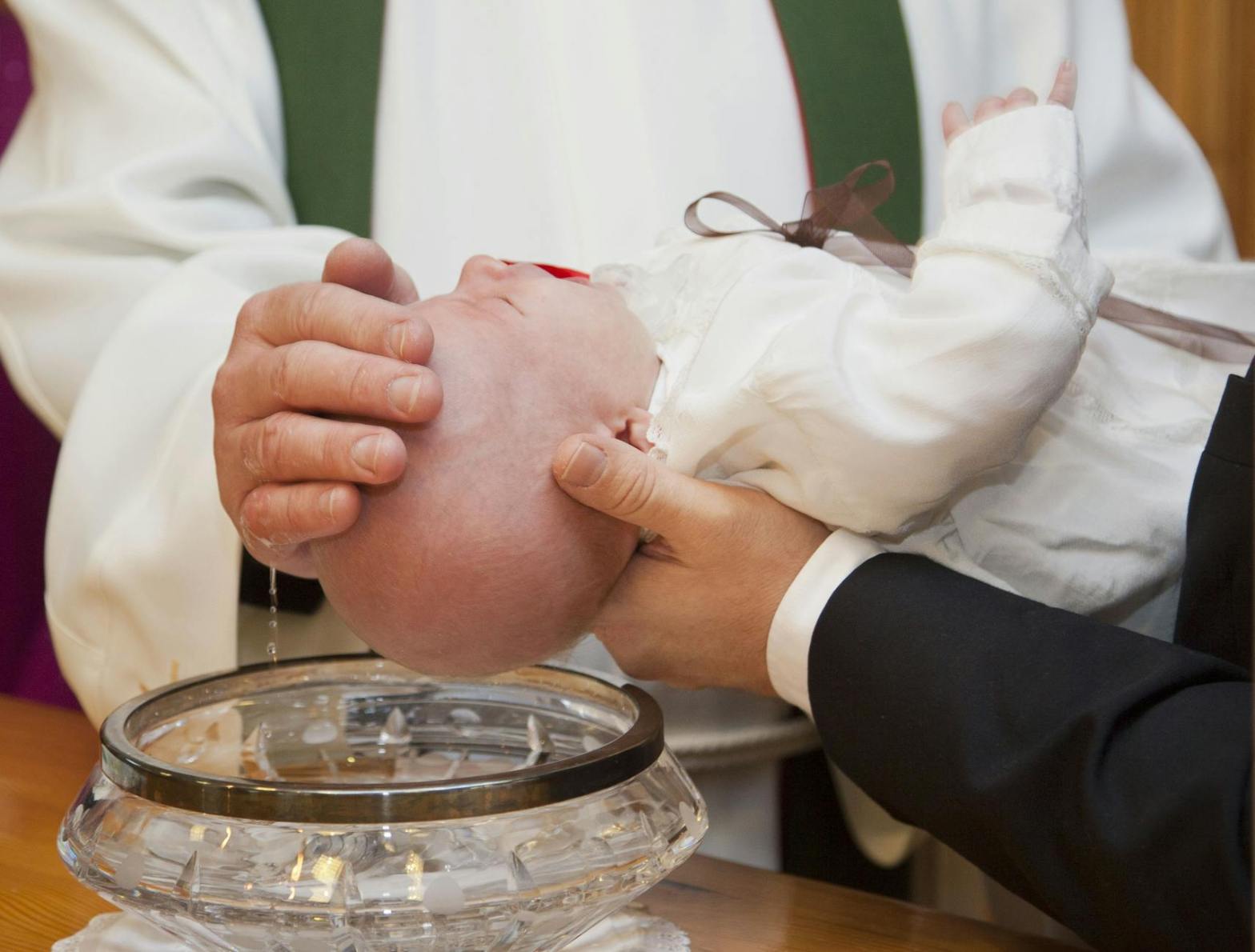
A common argument for infant baptism is that in Acts, whole households are baptised and that must have included children. This has also been developed by some into the argument that the culture of the Bible was more corporate with a greater emphasis on fathers acting as heads of families so that it would be fitting to include children of believers automatically in the New Covenant. If excluded this would lead to controversy, a controversy absent from the New Testament.
Whilst on the surface this may sound persuasive, don’t find it convincing. First of all whilst yes there is a patrio-centric dynamic to the Old Testament, this does not remove individual responsibility. Secondly, even in the Old Testament, there are two dynamics at work subverting any concept of household covenant inclusion . First, we already have the call to leave households behind to belong to God’s people with Abraham. Secondly, a culture of household headship flowing through firstborns is subverted by Abel, Jacob, Manasseh, David and Solomon.
In the New Testament note that Jesus both by calling his followers to leave behind mother and father and by insisting that his own mother and brothers were those who followed him further subverted the culture. Baptism itself arises out of recognition that despite being physical descendants of the patriarchs, the people were outside of God’s covenant and required a new Exodus through water.
Then you have the crucial case of Onesimus. Household faith and baptism would suggest that he became Philemon’s brother on Philemon’s profession. Yet Paul’s letter points to a converted Onesimus who is to be welcomed back in this way.
In Romans 5, Paul links us directly to either Adam or Christ’s federal headship. In Romans 9-11, he drives home the point that inclusive in God’s, people has always been about faith not about genetic descent.
Whilst Ancient Near Eastern, Greek and Roman cultures may have had an element of corporate household identity, the Gospel of Grace has always cut across this from tht beginning.
 Faithroots