They shall grow not old, as we that are left grow old:
Age shall not weary them, nor the years condemn.
At the going down of the sun and in the morning
We will remember them.
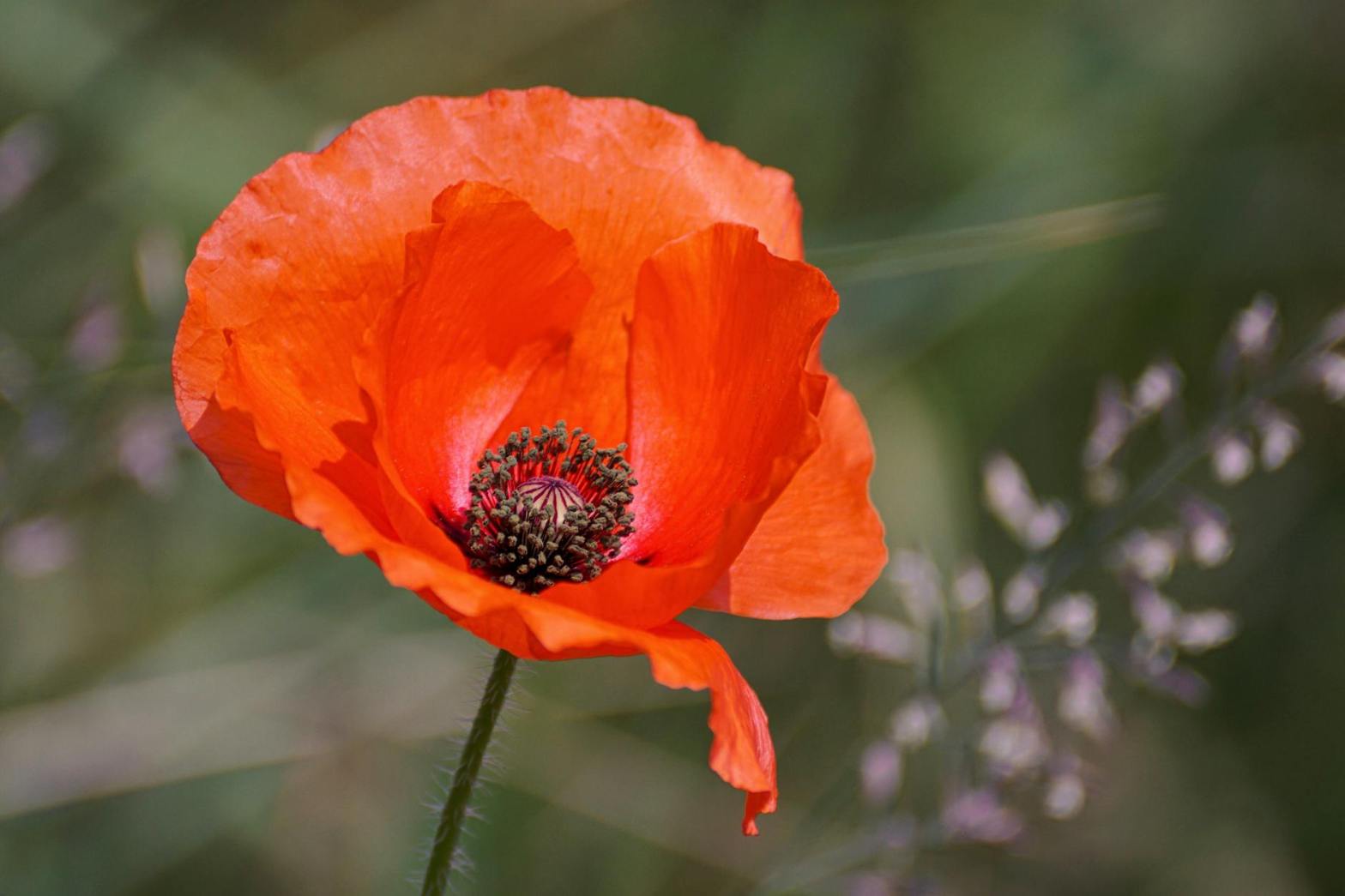
Today is a day when we pause to remember. On the 11th of November 1918 at 11am the guns of the First World War fell silent and an armistice was agreed. Each year, as well as observing a two minute silence, we wear poppies, the flower that grew in the fields where many soldiers fell. The Great War was meant to be the war that would end all wars. However, it didn’t. There was World War 2 between 1939-45 and since then many other conflicts around the World. Remembrance Day has become about all of those conflicts too, a moment to remember and respect both those who died and all who have served bravely.
Yet, there has been something about the build up to this year’s remembrance that has disturbed and grieved me. Through the summer, we have heard far too many people seek to whip up a patriotic mood and create fear, labelling immigrants and asylum seekers an invasion. Then, as we have got closer to Remembrance Day, people have even begun to say things along the lines that we should remember those who fell in the wars defending this country, suggesting that there is some kind of link, that they died to prevent what we have seen in terms of immigration.
Why this is shocking and grievous is two-fold. First because the second of those world wars was against a specific and nasty form of ethno-cultural nationalism. Whilst it is fair to say that our full understanding of the extent of that evil, particularly in the Holocaust only came later, the benefit of that war, the fruit of sacrifice was the defeat of Fascism and specifically the Nazis.
Secondly because many who served, suffered, died came from what are now Commonwealth realms around the World. That includes many from the Caribbean and many from the Indian subcontinent. Indeed in one of his famous speeches. Winston Churchill said:
“We shall go on to the end, we shall fight in France, we shall fight on the seas and oceans, we shall fight with growing confidence and growing strength in the air, we shall defend our Island, whatever the cost may be, we shall fight on the beaches, we shall fight on the landing grounds, we shall fight in the fields and in the streets, we shall fight in the hills; we shall never surrender, and even if, which I do not for a moment believe, this Island or a large part of it were subjugated and starving, then our Empire beyond the seas, armed and guarded by the British Fleet, would carry on the struggle, until, in God’s good time, the New World, with all its power and might, steps forth to the rescue and the liberation of the old.”
It was a constant theme of his that the colonies around the World were in the struggle with us. It is from those parts of the World, that later many came here to help with the rebuilding effort after the war and that was the beginning of mass immigration. The reality is that when we were in need, others came to our aid. It seems wrong that when others are in need, we should not come to theirs.
Now, not all of those places where we see people coming from, seeking asylum were part of that War effort. Afghanistan was officially neutral, though many Afghans served in different capacities with our armed forces after the 2001 war. Furthermore, Afghans fought bravely against the Soviet occupation, placing them on the same side as us in the Cold War. Meanwhile many of the trouble spots in the World now are places where the UK has had direct political and military involvement. We can hardly deny a responsibility to those now seeking asylum.
But most of all, as a general principle, it is wrong that a conflict fought against narrow ethno-cultural nationalism by people from every ethnicity should be used as justification for our own narrow ethno-cultural nationalism and the rejection and dehumanisation of people because of their culture and ethnicity. That is to dishonour the memory of those who died.
When you go home
Tell them of us and say
For your tomorrow
We gave our today

