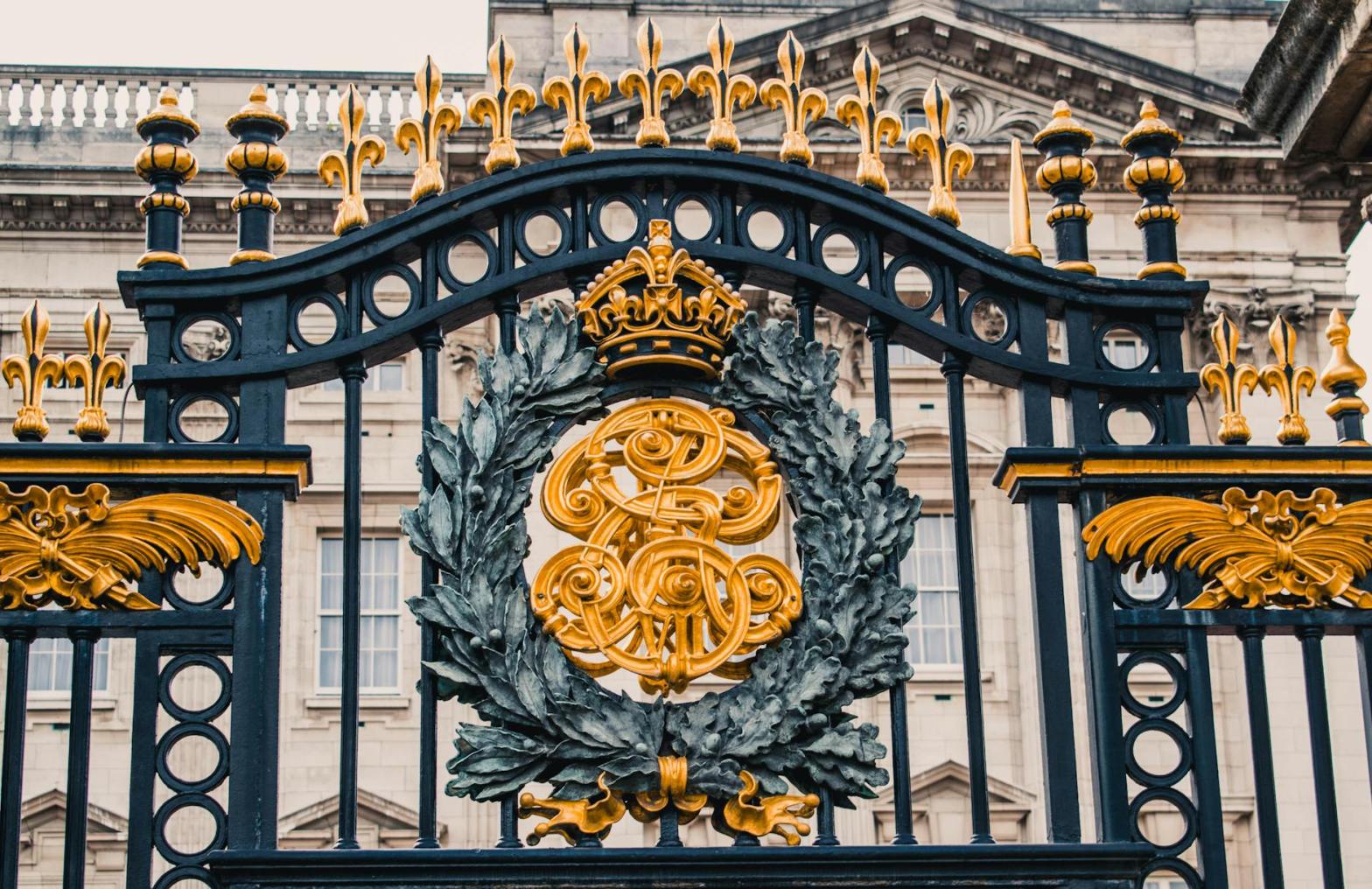
My friend Steve Kneale has written here in response to the most recent news about Andrew Mountbatten- Windsor arrest arguing that in the light of this it is now time to consider abolishing the monarchy
The situation with Mr Mountbatten-Windsor is particularly egregious as is that concerning Peter Mandelson. Both men are accused of maintaining long term close relationships with a known pedophile with a horrific record of trafficking girls and young women. It is striking though that what seemed to finally bring this to a head was not their association with a sex offender and concern for victims but rather the accusation that they leaked government economic information.
We should also note at this point that both men strenuously deny specific criminal allegations
Personally, I lean towards Republican sympathies. I cannot see the monarchy in its current form surviving beyond Prince William. I think that there was a particular loyalty to Queen Elizabeth Ii and I would have preferred some form of referendum after her death. Our current system is a middle that recognises a compromise going back several hundred years to the restoration of the monarchy with Charles II. I. That respect, a constitutional monarchy isn’t a particularly principled concept and is often defended in a similar manner to first past the post and Sir Kier Starmer, that noone can come up with a better alternative. The last example, the usual argument for hanging on to unpopular prime ministers usually falls apart as soon as it is made, when the guy resigns, candidates turn up.
However, I’m not convinced by Steve’s arguments in his article. I don’t think it is a good argument to rely on the current unpopularity and shame of one individual just as the popularity and respect for Queen Elizabeth was purely a case for having her as head of state, not for keeping the monarchy as a system.
The reality is that plenty of members of the Royal Family have been rogues throughout history. It is also true that plenty of elected politicians have been too. Indeed, people around the world seem willing to elect people who you and me might have serious reservations about when it comes to character.
The other issue with the argument is that Steve suggests we cannot lecture the Chinese about democracy when we sent unelected Andrew to negotiate on trade with them. However, our issues with China over the years haven’t just been about whether specific officials were elected but over their human rights record. Further, it is not unusual for democracies to appoint people to posts who have not been elected. Trade envoys and ambassadors would be included in that. Indeed, the British system of cabinet ministers and the Prime Minister being serving MPs regularly accountable to parliament is not followed in plenty of democracies.
I don’t think that the Prince Andrew case particularly helps the Republican cause. Oh, it may lead to a loss of respect for the Royal Family but if the House of Windsor falls over a scandal, what then when its replacement is hit by scandal too? Revolutions are followed by restorations when the successors to monarchs turn out to be just like the men they replaced.
Steve’s article is primarily intended to introduce the re-sharing of an article he wrote a couple of years back. I think that article probably sets out a better case for abolishing the monarchy. I would encourage you to go straight to that article. I guess that people would be more likely to read a challenge to the monarchy article on the back of the current crisis. Maybe the way to put it is simply that we should focus less on our offense at the individual – there are systems in place to deal with his misdemeanors- and focus our attention on the system. I think that everything else is a bit of a red-herring.
 Faithroots