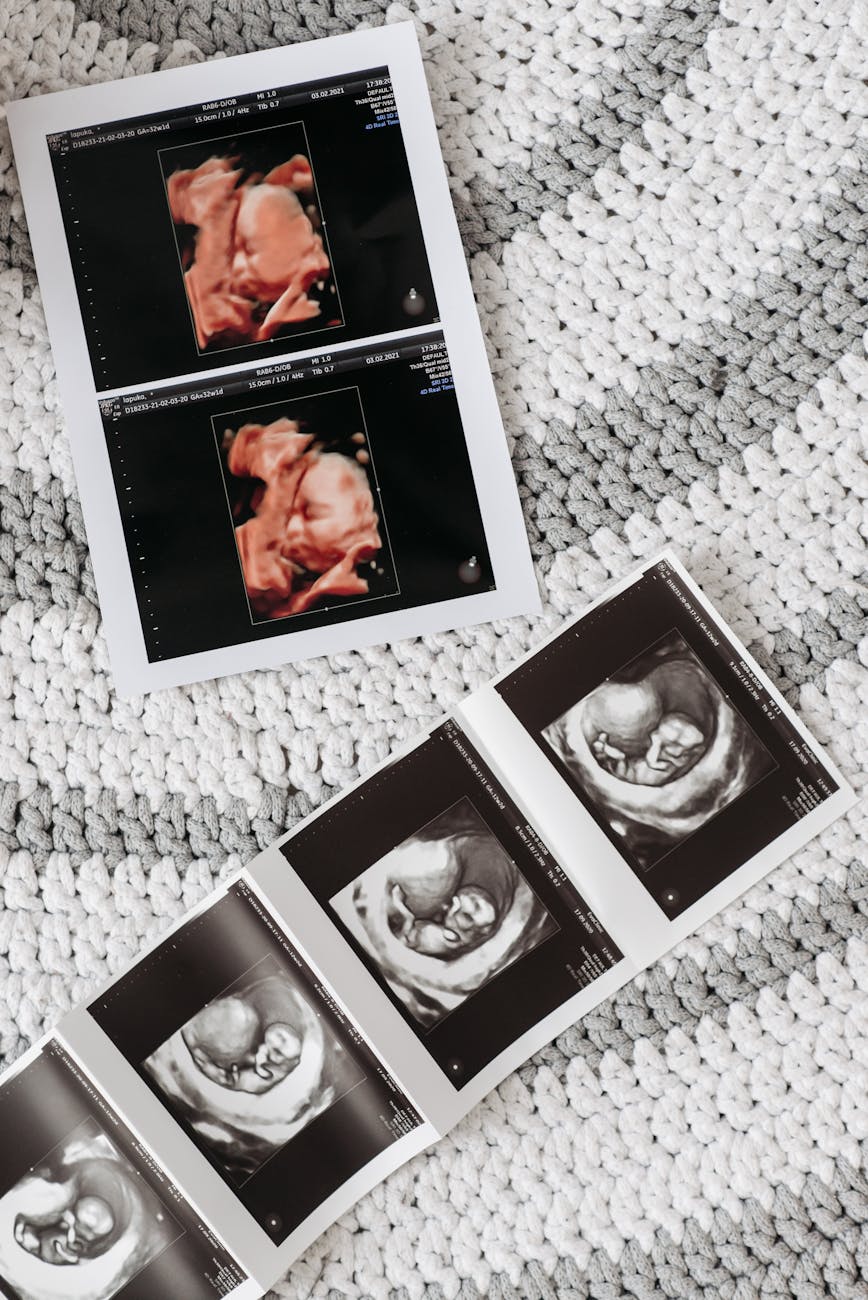
In the Uk we have seen two recent votes in the House of Commons touching on the beginning and end of life. First, an amendment to the Crime and Policing Bill intending to decriminalise abortion for women in the case of their own pregnancy will have the affecting of enabling unregulated abortion up and to birth. Secondly, Kim Leadbeater’s bill to provide legal assisted dying for the terminally ill has also passed through the House of Commons. How are we as Christians meant to think about such things.
There are three aspects to this.
- What should our own attitude to abortion and assisted dying be? Are these sin?
- Can we impose our values on the secular state? Even if sin, should they be crimes?
- If we allow for the possibility that even if these things are sin that the state should permit them, is the proposed legislation up to the task?
In this article, we are going to focus on the first question.
Why do we as Christians hold that both abortion and euthanasia (assisted dying) are wrong. I want to highlight two reasons here. This is not meant to be an exhaustive answer but these two reasons are crucial to our thinking.
Because of what we believe about who God is
John 5:21 says:
“For just as the Father raises the dead and gives them life, even so the Son gives life to whom he is pleased to give it. “
Then in verse 26, we are told:
“26 For as the Father has life in himself, so he has granted the Son also to have life in himself. 27 And he has given him authority to judge because he is the Son of Man.
Those are fascinating words. Both the Father and Son are said to have life in themselves. In other words, they are self-existent, not owing their life to anyone else. Jesus points us to God’s unique, sovereign power and existence and says that gives him authority over life and death.
When Christians insist that it is God alone who has power and authority over when we die, we are recognising who he is. We are recognising that he is the competent judge because he is both great and good. It is only God who is perfectly wise, just and loving. That’s why such a great matter as this is in his hands, not ours. The oldest temptation, back in Genesis 3 is that we should seek that power and authority for ourselves to be like God. Yet, what we see is that far from our autonomy making us like God, it brings death, exile from God’s loving presence and exposure to shame.
Because of what we believe about who we are
In Genesis 1:26-27 it says:
“26 Then God said, “Let us make mankind in our image, in our likeness, so that they may rule over the fish in the sea and the birds in the sky, over the livestock and all the wild animals,[a] and over all the creatures that move along the ground.”
27 So God created mankind in his own image,
in the image of God he created them;
male and female he created them.
We are made in God’s image and so all human beings have special value and dignity. Both abortion and euthanasia act as horrific statements that not all humans have the same equal worth and dignity. Some are sadly disposable because they are too old or too young, because they are seen as having less capacity or a lack of quality of life and because they are considered a burden to society. Scripture insists that regardless of age, mental capacity, wealth, gender or physical health, we are all made in God’s image and worthy because of that of dignity and respect.
It is important that when we talk about abortion and euthanasia we come back to these foundational truths.
 Faithroots