I recently wrote about decisions regarding what songs we should sing. I originally focused on decisions about lyrics but then was asked about how we respond to questionable sources, what do we do if the song comes from a writer/church with an iffy theology. That’s an important question.
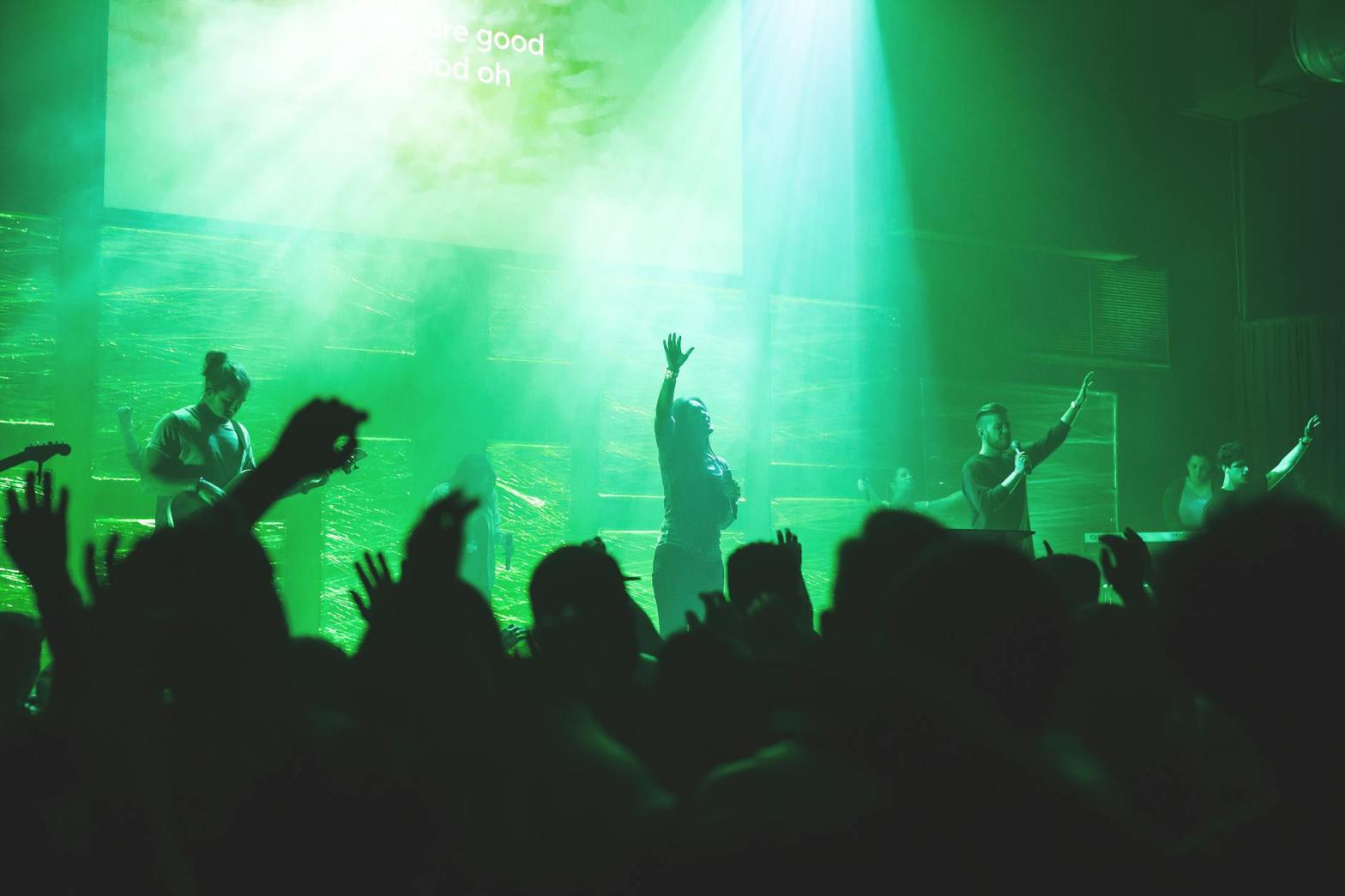
However, the issue goes deeper. As I noted in my previous article, we need to think about the overall culture of contemporary worship music. Specifically, globally, contemporary worship has become a multi-million-dollar business with sales of CDs and nowadays downloads, not to mention lots of other merch. Then there are the concerts and the conferences, sometimes with special, higher priced “VIP tickets” given you greater access to celebrity worship leaders. The Christian music industry has also long mirrored the secular world with its charts based on sales and plays. Christian events and festivals are promoted based on who the headline acts (sorry, worship leaders will be).
I might also observe that there is a tendency too to measure spiritual health based on the popularity of music. So, following this year’s Big Church Festival, several of those who performed there were quick to talk about the numbers and their enthusiasm as evidence of revival here in the UK.
Are there ways in which we can counter this culture? I believe so and here are a few suggestions. First, we should encourage Christians in our local churches to write their own songs for us to sing together in public worship. Secondly we can train our congregations to be discerning and to think about what they are looking for in a song, not do they know the artist and does it sound good on YouTube but does it glorify Christ, are the words edifying and is it singable in the local church.
Thirdly, I think that there are small things that those leading worship can do in the local church to make sure that they are not aping that culture. This will vary from context to context and you will have to work it out for yourself. However, let me give one example from our previous church. A decision was made to move the musicians and singers so that the musicians were not centre stage and in fact, the singers were given microphones to help lead but were stood among the congregation rather than up front.
Fourth, what if we were to stop playing the game on the bigger stage? What if Christian conferences and festivals decided that they weren’t going to promote and provide space for merch to be sold? What if Christian media stopped promoting the hype? Finally, because the celebrity culture isn’t just about the music, what if next year’s big events: Spring Harvest, Keswick, New Wine didn’t list who the worship leaders, speakers and seminar hosts will be but instead simply advertised the dates and the subjects.
I’m sure you can think of other ways that we can start to counter the culture.
 Faithroots