There are lots of nuggets along the way in these two chapters. Particularly, I’m struck by the following. First of all, there is the example of Moses. It isn’t a good example here. He responds to God’s command and even to God’s promises with doubt and resistance. There is a particular warning for leaders in the church here. We cannot avoid that the church is likely to reflect in its culture what we are like in our own character and what our own family life looks like. This doesn’t mean though that responsibility falls solely on leaders but rather we bear greater responsibility.
Secondly, even through this, we see God’s provision to Moses of signs, his brother as a spokesman, assurance of his presence. God’s undeserved grace to us even in our wrestling and doubt is to be treasured. What signs of his grace are you seeing both in terms of his normal providence and supernatural interventions?
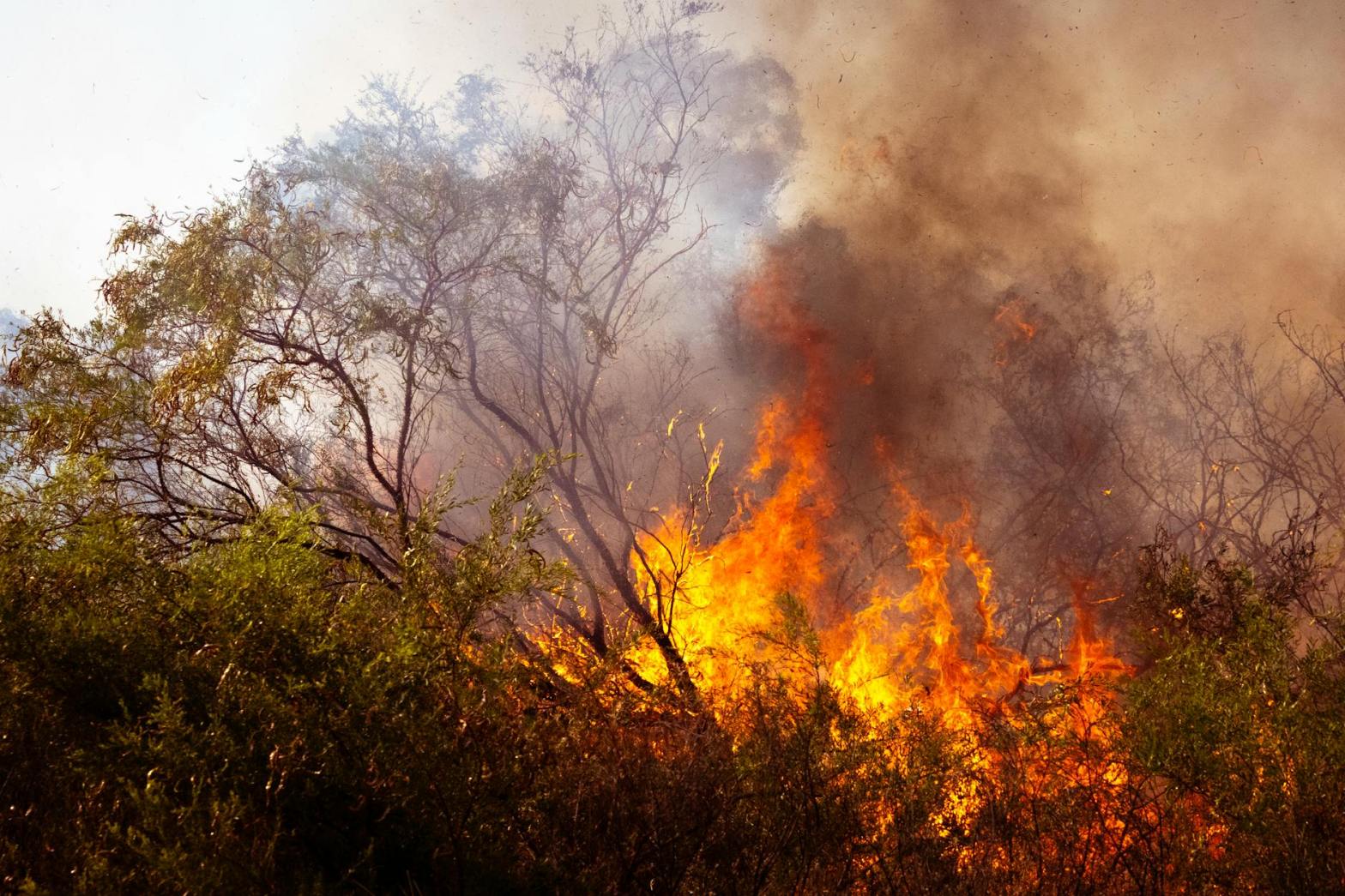
Thirdly, God meets Moses at the burning bush. First, Moses is drawn to the sign of a fire where the bush is not consumed. There’s a song lyric that has always jarred with me that asks God to “consume me from the inside out”. Pagan gods would consume human sacrifices and sadly cults and possessive people will also devour taking as much from you as they can. The sign was a declaration that it was possible to be in God’s presence and not get burnt. There is a way in which we can approach the holy and living God, through Christ. Even in the wilderness, tere was holy ground. God was present with Moses in his exile and with the people in theirs. The New Testament describes the church as “exiles” in the world. Yet we are never exiled away from God’s presence. He is with us through the Holy Spirit.
 Faithroots