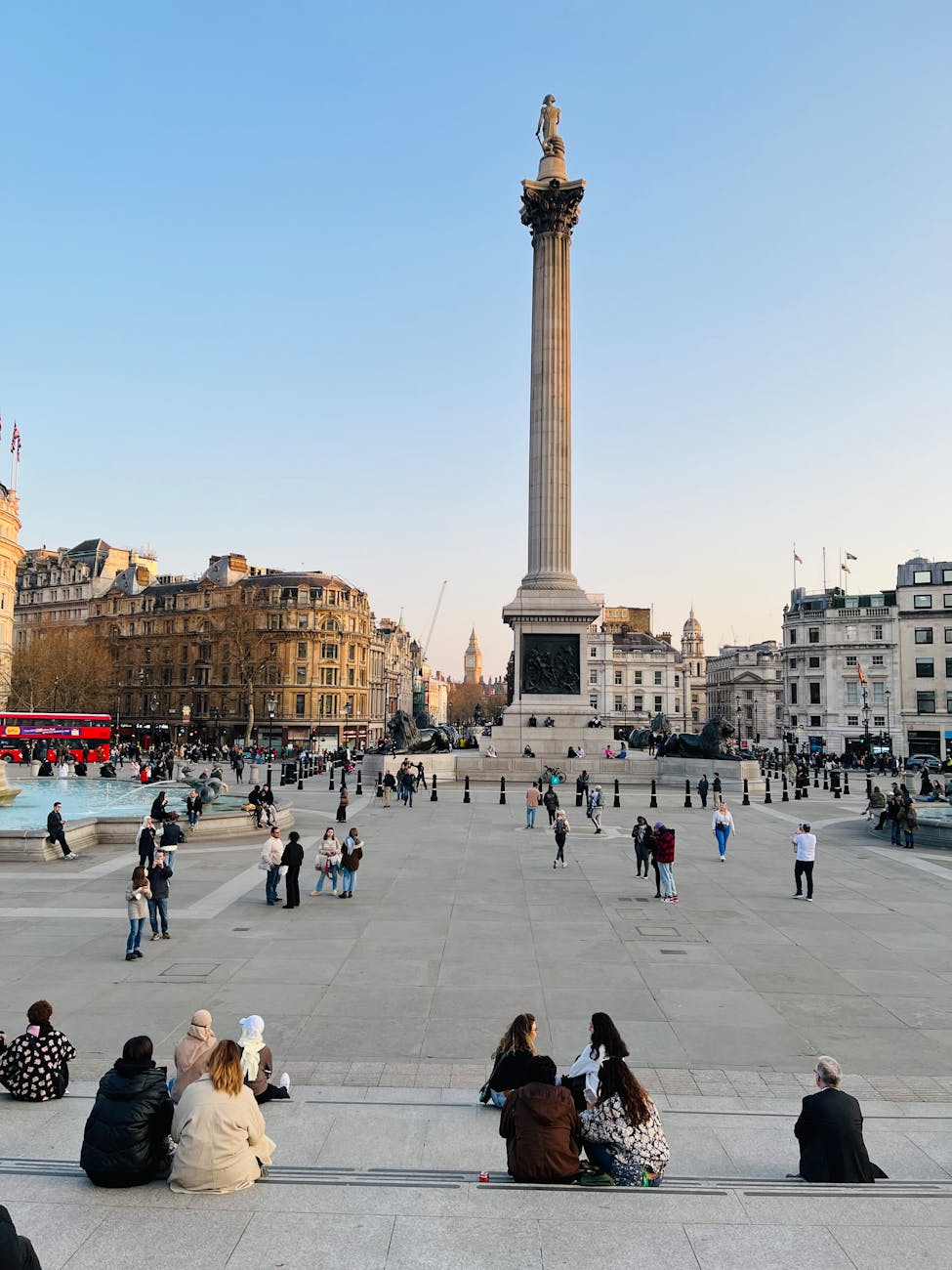
There are two marches working their way through London today representing seemingly opposing ideologies. One is the next in the “Unite the Kingdom” rallies associated with Tommy Robinson. The other is to mark the so called “Nakba” day which coincides with Israel’s independence.
Nakba Day
In Arabic “Nakba” refers to a catastrophe. In this case, it’s the events linked to Israel’s independence. 750,000 Palestinians were displaced from their homes as a result of the ensuing conflict. This event is regarded by Palestinians and their sympathises as an intentional act of ethnic cleansing and part of an attempted genocide. Whether or not that is a fair assessment of Israel’s culpabilities is perhaps for historians to assess now. Certainly, I would be cautious of coming to such a partisan conclusion given the circumstances.
It is worth recalling the historical reality. In 1947, the UN resolved that the Jews and the Palestinians should each have their own homeland. At that point, the geographical region was under British control following the end of the Ottoman empire. In fact, that part of the Middle East had been subjected to one or other imperial/colonial power including Babylonians,Greeks and Romans for over 2000 years. Once independence was declared, surrounding Arab nations went to war with Israel and occupied the Palestinian territories until 1967 when Israel defeated Egypt and Jordan in the Six Days War.
The recent conflict in Gaza which followed the October 7th atrocities of rape, kidnap and murder has significantly reignited protests in support of the Palestinian cause. We should have a level of understanding for the cause. It was difficult to watch on from a distance as the people of Gaza faced bombardment and deprivation. Sometimes the rhetoric of Israeli politicians was difficult to hear and some of the actions have been questionable. We should grieve at the loss of life which has been calculated at around 75000.
However, I might also observe that at times, the protests seem to show little awareness or concern about the context, there at times has even been denial about October 7th. There is a tendency to presume the worst of Israeli intentions. I might also observe that a similar number of people were killed by the Tehran regime in their brutal suppression of protest last year. Where have the protests been about that.
Of even greater concern should be the way in which the protests have on a weekly basis provided and environment in which antisemitism has been cultivated. We’ve heard the “From the River to the Sea” chants, we’ve seen footage of appalling banners and heard reports of provocation against Jews. This is the environment in which increasingly violent antisemitic attacks happen and are excused, the Manchester attack on a synagogue, the arson attack on ambulances, the targeting not just of Jewish businesses but those mistakenly assumed to have links to Israel and the Golders Green attack.
What we see is not just disagreement with the Israeli government or even with Zionism as a philosophy but rhetoric that builds up hatred against ordinary Israelis and against ethnic Jews around the world.
This is the context in which today’s march is taking place.
Unite the Kingdom
There may well be Christians joining in the Nakba rally, especially those with more leftwing sympathies. There will also no doubt, based on past experience be Christians involved in the Unite the Kingdom rally. Last time, in September, Christian clergy were invited onto the platform to give speeches.
Unite the Kingdom is a movement organised by Tommy Robinson. The movement has had growing links to the Christian Nationalist movement that we have seen growing within some elements of evangelical and charismatic Christianity.
Behind Unite the Kingdom, is a belief that our nation is under cultural attack from an alliance between secularism and Islam. Rhetoric from some has even expressed fear that we are on the brink of a civil war. The response proposed includes a mixture of restoring Christian civic culture, clamping down on immigration and banning public expression of other religious beliefs.
Two different agendas… much in common
Whilst these marches seem very different, they in fact have much in common. First of all we might observe that there may be amongst the majority legitimate grievances and concerns whether these are actual or perceived. We want to find ways to have a genuine conversation where voices are heard.
Secondly, both marches reflect a suspicion of mainstream politics and political leaders. Both believe that the establishment prioritises foreign powers against the needs of those who lack power whether that’s the Israeli State or Islamic ones. Indeed, we might reasonably argue that there is a tendency to conspiracy theories with both. The belief in both cases is that there is an abuse and corruption of power and a level of secrecy and cover up.
Thirdly, we see in both movements a risk that specific groups and communities become dehumanised and demonised whether that’s Jews or asylum seekers.
A truly Christian response
So, how do we respond to both marches? I would suggest that we should respond in the same way. I note that the government have been accused of hypocrisy for banning far right speakers from entering the country to join in with the UTK march. My inclination is that they were right to do this but should also look at extremist risks on other marches too. It is unacceptable that “From the River to the Sea” and suchlike has been excused and ignored for so long.
So, first, we do want to hear voices and help them to be heard. We should not be immune to the cries of Gaza’s population. Nor, should we be deaf to the fears and anxieties of many who feel left behind on our estates and in our working class towns.
Hearing voices does not mean that we have to agree. Nor does it mean that we have to accept tactics and strategies. We should be making it clear too that the use of intimidatory tactics and the ugly chants that demonise and dehumanise people is unacceptable.
Finally, we can point people to the truth that this world is imperfect. They could select from any one of hundreds of causes. Even if they succeed in their cause, it won’t make the world right. Another injustice will arise. Our response should not be to fan the flames of fear and hate. Rather, we hold out the better hope of the Gospel.

