I want to pick up on a point that came up in a recent conversation I had following the latest Unite the Kingdom rally.
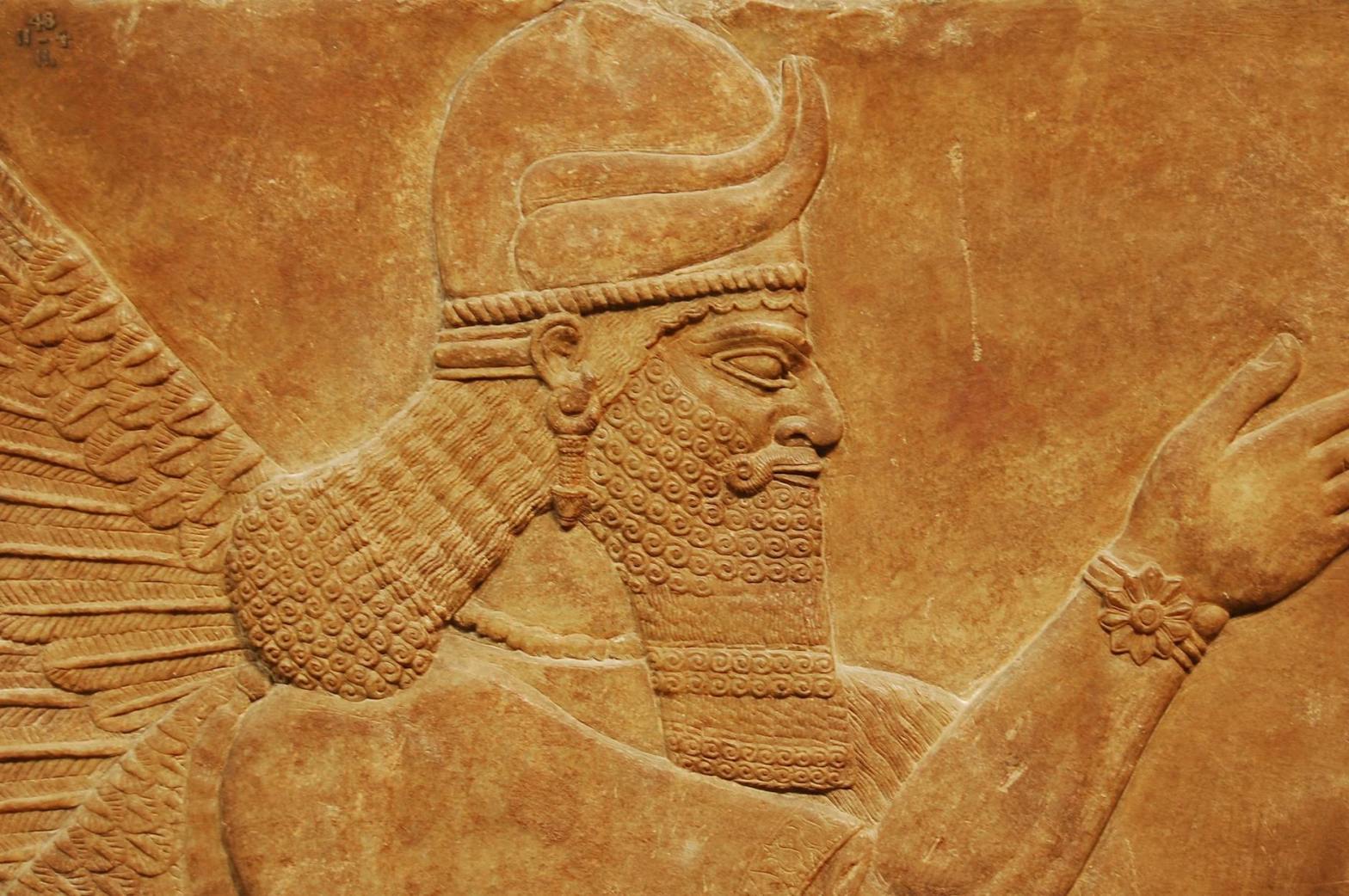
Someone suggested that we should learn from the story of Jonah. Perhaps those on the marches were like the Ninevites and needed someone to go to them.
I suggested that there might be a few problems with that kind of analogy. The first is that whilst Jonah reluctantly did head off to Nineveh, and noting that he missed out on the repentance and grace bit of God’s revelation, Jonah did not join in with the practices of the Ninevites.
Now, this is a bone of contention of course. The specific issue that some of us have with the UTK rallies and indeed with Christian Nationalism is that there is an ideology behind it. Most marchers may not be aware of it or endorse it but it’s the underlying cause. We say that the ideology offers an alternative gospel and God. Do in that respect it is idolatrous. We hear and empathise with the grievances of the marchers but we say that the ideology being offered to them will not help, save or satisfy. Jonah and the prophets would be calling them away from the march.
Secondly, the presumption is that these are usually white working class people from council estates and left behind towns. Therefore, the charge is that we see them as Ninevites and so despise and want nothing to do with them. The reality though, speaking personally is that I’m the son of a man who grew up on the estate, I grew up in South Bradford, I went to the comp. I have spent most of my adult life in the Black Country and North Birmingham. I don’t see the people who might be drawn to UTK as Ninevites. In many respects, these are my people. Indeed it seems to me that it is at times the people calling on us to go on the marches are middle class Christians offering a form of paternalism. And the thing about paternalism is that it tends to offer solutions from the outside the fit with the outlook of those offering it. I prefer it when people are honest. They join the UTK marches, yes with a genuine desire to share the Gospel but also because they share the aims. You won’t find them at the Free Palestine and stop the war protests.
Now my interlocutor went on to argue that even if it’s not the marchers, we all have our Ninevahs. We all.hsve a group of people we might be tempted to despise but we need to go to. Yes, that’s possible. It’s always possible that at some point, God will send us some place that we not only would not naturally go to but a place and people we see as a threat, that we would naturally be inclined to run the other way from.
However, as I said to them, I don’t think we all necessarily do have a Nineveh. Not all of us are Jonah’s. Some of us turn out to be Isaiahs, Jeremiahs, Josephs, Daniels. And perhaps most of us aren’t particularly meant to identify with some specific OT character that fits s narrative.
This does not mean that we are all perfect but when applying the OT, we should not assume that everyone shares the same weaknesses or indeed the same calling as the Biblical character we are referring to. This is perhaps a helpful reminder for preachers too.

