I recently picked up on the Biblical theme of uncleanness whilst looking at Mark 5. We’ve seen that uncleanness is different from sin though actively becoming unclean may be a sin. We’ve also seen how the concept and category help us to think about people today that may be classed as unclean. I want to think a bit more about how uncleanness can be removed? How do people become clean?
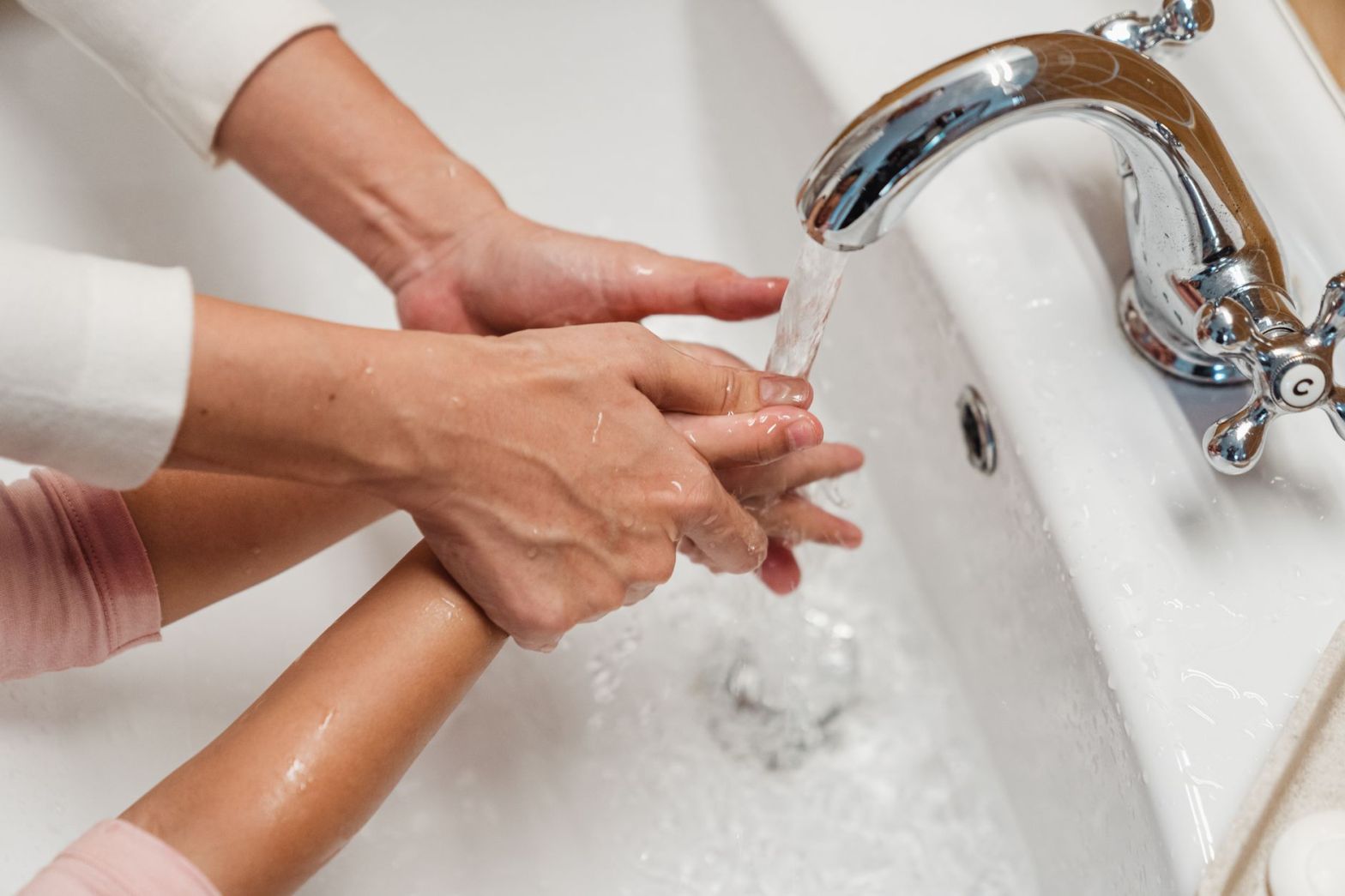
In terms of Torah’s expectations, it seems to be a mixture of the following. There’s waiting, there’s a ritual period of uncleanness, for example after birth, so to some extent, you sit it out. You can wash yourself to purify yourself from unclean things. Some things like carcasses and buildings are to be destroyed, sometimes by burning.[1] Sometimes an offering was to be made at the temple. The final option is not available, though modern Jews may find ways to make a form of atonement such as through prayer and charitable deeds.
Whilst “waiting it out” might be a component of the solution, it doesn’t seem to ever be enough on its own, you often cannot simply wait for the uncleanness to work itself out, no more than you can sit and hope that a bad odour will clear up of its own according once something nasty has got into the carpet.
What we see with Jesus is that the root cause of uncleanness is dealt with. Jesus reaches to touch people, or allows them to touch him in order to remove their uncleanness. He can do this because he is pure and clean. He can do this because he is the one who deals with the root cause. Uncleanness may not be in and of itself sin but it is caused by sin. Jesus makes us clean by bearing the penalty and taking away our sin, guilt and shame.
[1] See e.g. Leviticus 12 and Luke 2.

