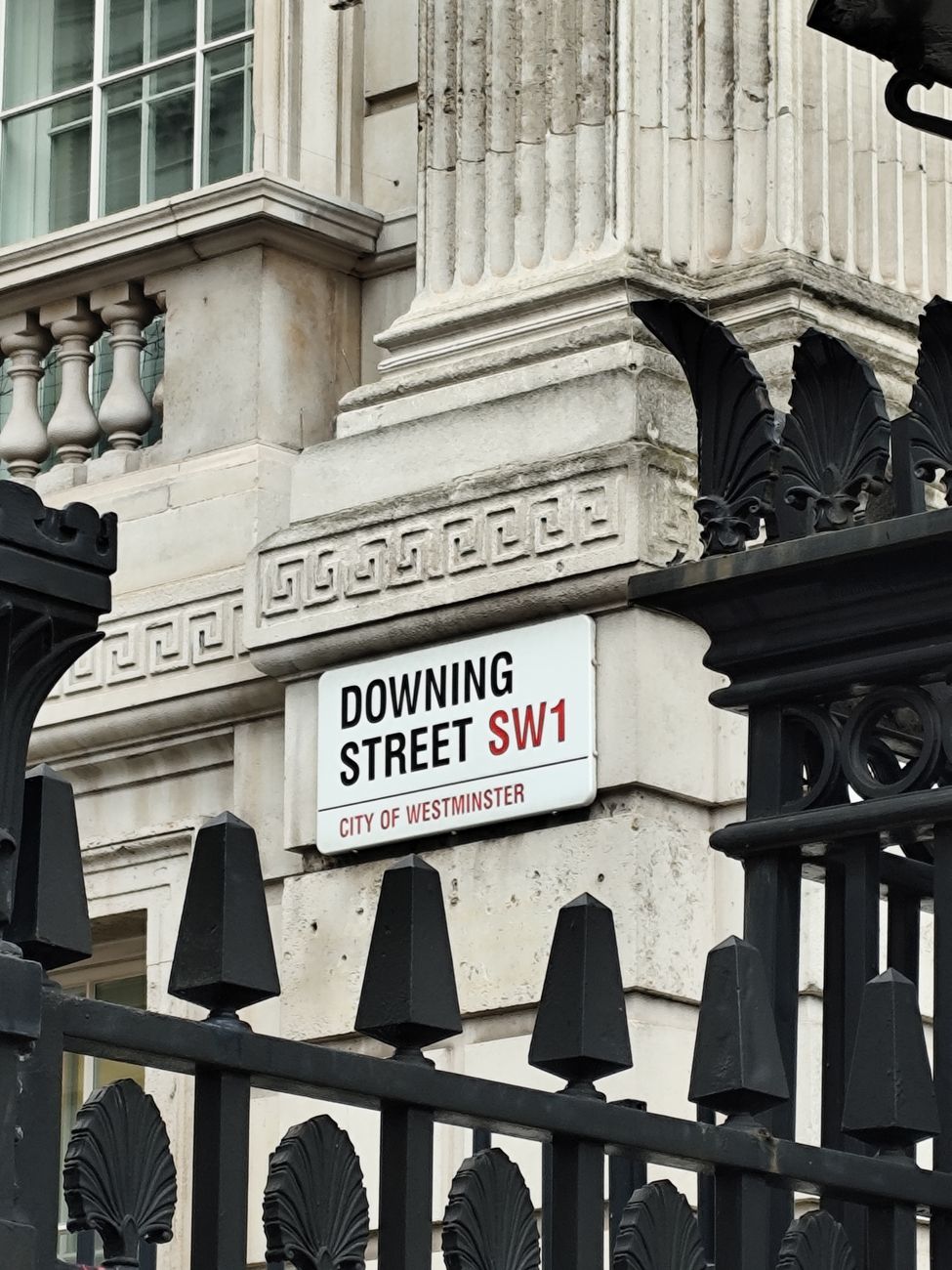
As Sir Keir Starmer prepares to leave office, potentially as soon as next month, much is being made about the fact that we are about to move onto the 7th prime minister since Brexit. I think that this particular number may overstate things, Cameron left pretty much straight after the referendum having served a credible six years, Truss’s short stay in number 10 seems to count more as an error, a blip, it hardly counts as a term in office and Starmer came in through a General Election and change of party. So in terms of short term premierships, it’s only really the May, Johnson and Starmer premierships that come into proper consideration. However, for various reasons, the political world seems much more unstable than many of us are used to.
Part of that instability perhaps reflects that we are living in poorer, less stable times generally. My personal view is that this instability was triggered primarily by the credit crunch in 2008. That, combined with the pandemic in 2020 has constrained governments, it’s much harder for them to do popular things to keep people happy. And when there’s not a lot that you can do, then popular action is increasingly replaced with populist rhetoric. Secondly, I think there is a normal cycle to life. Periods of stability and longevity are often followed by the opposite. What’s true of politics is true of church life too. You might have a long term pastor who serves for 20-30 years followed by a couple of pastors who stay for a few years.
One impact of a less stable and more fractured political life is that we are less likely to see what we want to happen put into action. And we all have strong views if we are honest about public life. Some of us favour controlled borders, others are more relaxed, we disagree on levels of taxation, defence spending, prison sentencing and how to deal with inflation. So how are we to respond as Christians?
First, I believe that it is good for Christians to engage politically. We should be prepared to do this in season and out of season. This means continuing to speak up on matters that we care about whether that’s about provision for the needy, protection of the vulnerable or whatever.
Secondly, we should be challenged. That we probably aren’t going to get our way might help us to reassess again our priorities. Maybe those political positions we are passionate about don’t make such a difference to day to day life after all. What should be our real priorirites.
Thirdly, as we watch rulers come and go, we are reminded that it is only Christ whose kingdom is eternal, it is only God who is truly sovereign. Temporal government is by its nature temporary. We belong to a kingdom that is permanent, forever.

