What ties together the three events in Mark 5? We have the casting out of a demon, a woman who is healed and a dead girl who is raised. The answer is “uncleanness.” The Klaw distinguished two categories. First there was the category of holy and profane or ordinary. Secondly, there was the category of being clean and unclean. This was not about being a sinner or not, though of course it’s impossible to completely decouple both categories from the question of sin. Rather, it was about what it means to live in this world among the mess. Some things that might be identified as unclean seem obvious choices. We can see the health and hygiene benefits of staying away from dead bodies and contagious illnesses. Some of the categories seem a little arbitrary. For example what is unclean about menstrual cycles or semen? Perhaps the arbitrariness is intended to remind us that these distinctions were symbolic. There may have been particular reasons for the decisions but it certainly wasn’t meant to be about the yuk factor.
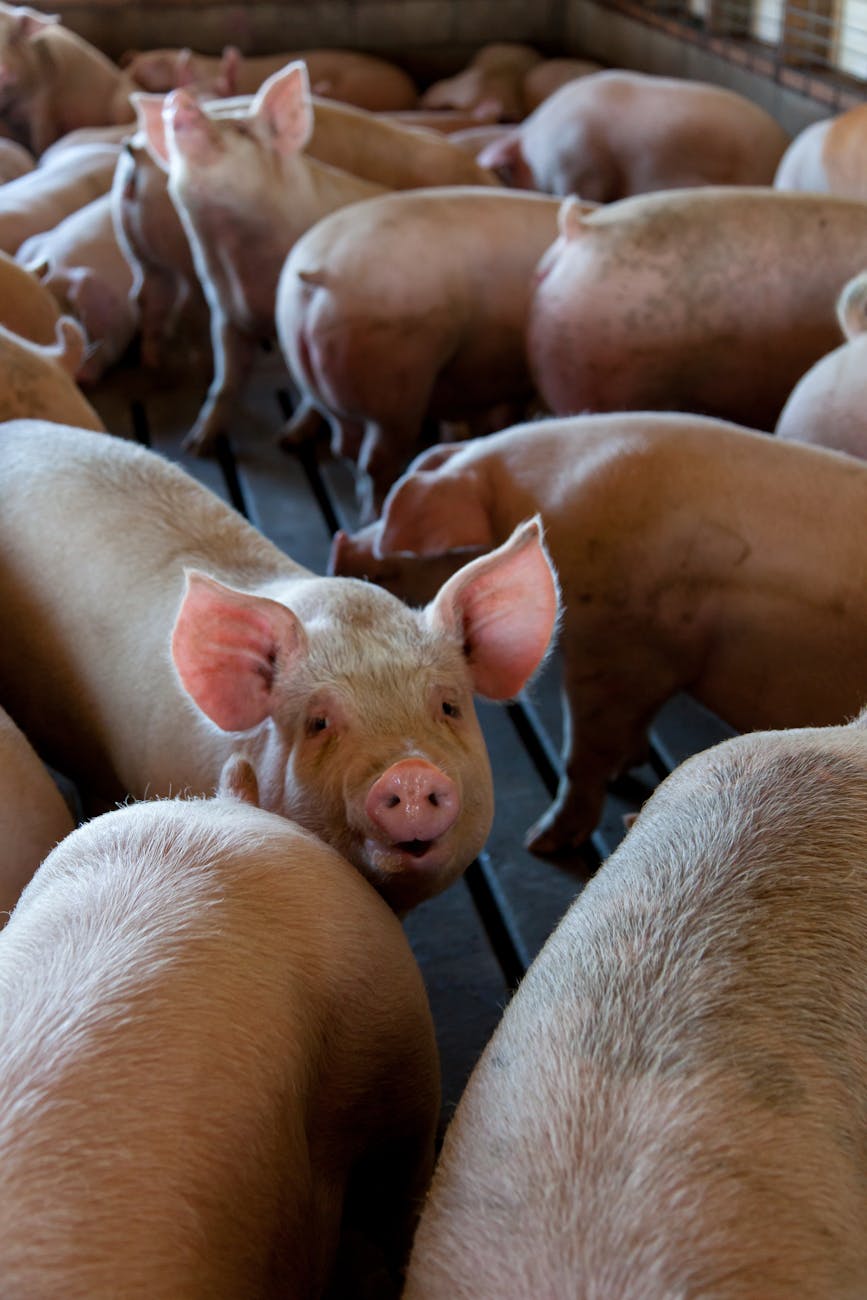
I’ve said that the common theme is to do with uncleanness but there’s a sense in which that’s only the starting point. More important still is Jesus’ response to the uncleanness. What does he do in each situation? Well what we see is that Jesus refuses fear and shame. Where people have attempted to contain and detail the demonic, leaving him alone among the tombs, attempting to chain him up, Jesus comes to find him and seeks to address him by name. Jesus is unafraid and unashamed because he is not powerless in the face of the threat from evil spirits. They know his name but this gives them no power over him. He has authority and so he banishes them from the man. Eagle eyed readers will spot the intended link. These unclean beings are sent into pigs. The demons were in reality unclean because they represented evil’s rebellion against God and because they sought to bring harm, destruction and chaos. They are driven out into symbolically unclean creatures.
You will notice too that the herdsmen and towns-people are evil more afraid of Jesus and his miraculous power than they were of the demon possessed man and by implication the demons. To be sure, Jesus brought peace and order to the troubled man but that also seemed to come with its fait share of disruption and cost.
When Jairus the synagogue leader meets Jesus and begs him to come with him to heal his daughter, Jesus readily agrees. However, Jesus is interrupted on the way. A woman who seems to be suffering from some form of chronic bleeding would have been classed as unclean. She carries fear and shame. She doesn’t dare come up to Jesus and ask her to heal him in the open. Instead she sneaks up, hoping to just be able to touch his clothes. When she does, she is healed. However, Jesus doesn’t allow her to just sneak away quietly. He gets everyone to stop and asks who has touched his clothes. The people around him think that this is a silly question. How could he notice one person in a crowded area. However, Jesus knows that someone has received healing power from him. Jesus notices. By bringing the lady out into the open, out into the light, Jesus again demonstrates that there is no fear or shame in the illness.
Finally, by the time Jesus gets to Jairus’ house, the girl has already died. Jesus though does not let death have the last word. He takes away the fear of death “she is only sleeping”, showing the temporary nature of death. He drives the professional mourners out of the room. Just as later he would drive the professional gatekeepers out of the temple. He commands the girl to wake up and get up. She does.
Because Jesus has authority over demons, sickness and death, we do not need to fear those things. We also can be free from shame. Jesus brings transforming power.

