
One of the issues raised in the concupiscence debate is about the extent to which we can distinguish between external and internal temptation. In fact, in some respects the whole debate is about what we distinguish. So, first of all, there is the question about whether we need to distinguish temptation, desire and sin from… Continue reading External or internal temptation … and does it really matter?
Category: ethics
Temptation, desire and self-deception
In recent social media discussion relating to my article on Calvin’s view of sin, temptation and desire, one person suggested that the question posed when John Stevens shared my article should be modified from: ““Are we sinning when we experience sinful desires that are unwanted, unsought and that we resist/rejected.“ To: “are we sinning when… Continue reading Temptation, desire and self-deception
The root of the “Shepherds for sale” myth
This is the last in our Faithroots Podcast series “Are the Shepherds for sale?”
The things we hold tight
The other day, I wrote about a peculiar debate within the Anglican Church about the permissible ingredients in communion. Now apart from the fact that none of the Gospel writers have offered us an ingredients list or recipe for the elements, it seems a strange thing to be getting worked up about. We are at… Continue reading The things we hold tight
Concluding my interactions with Andrew Bartlett and his book “Men and Women in Christ”
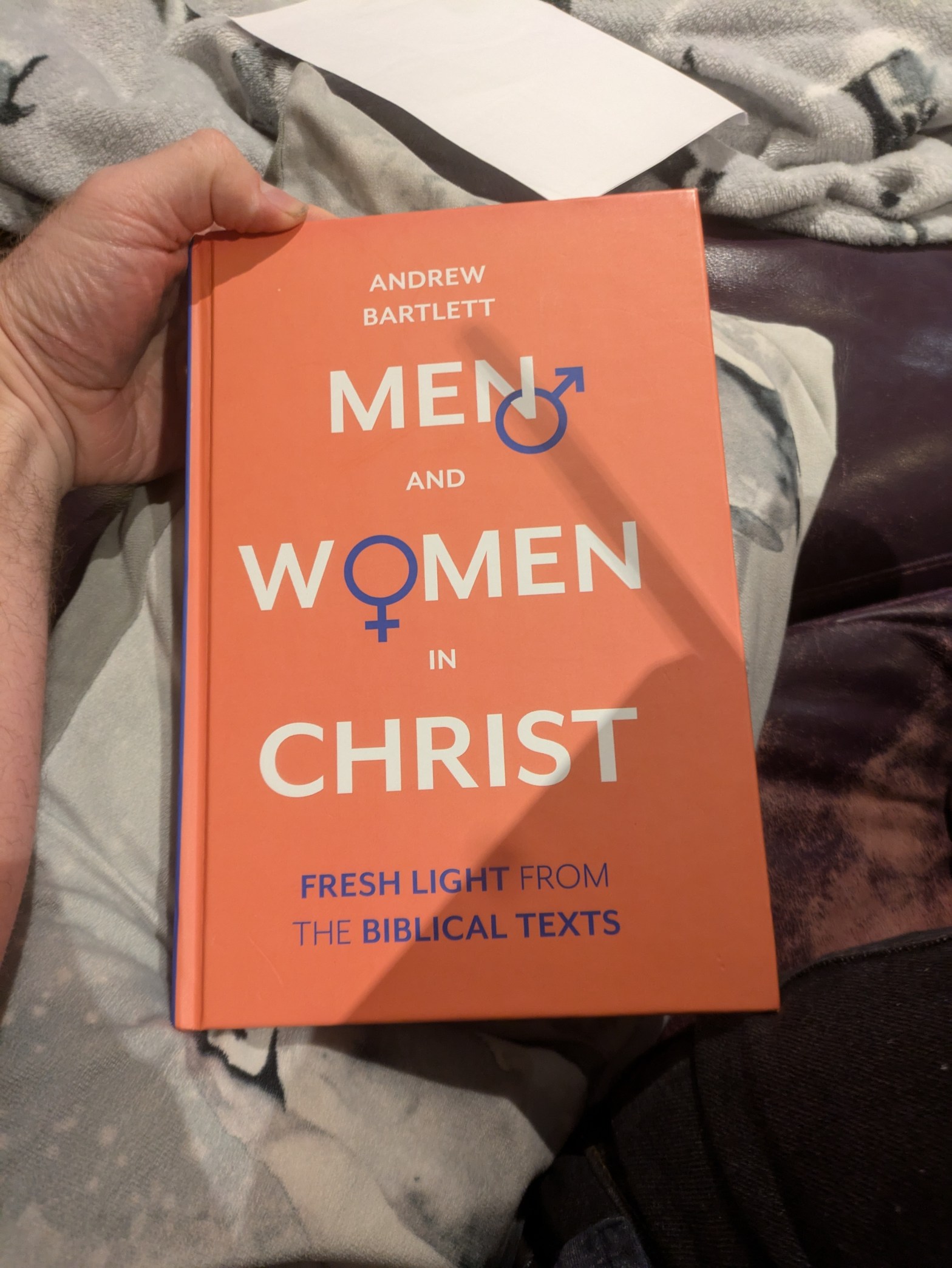
I’ve decided that this is as good a place as any to conclude the debate/conversation I’ve been having with Andrew Bartlett. It’s not a conversation that continue indefinitely and I am at a stage where I need to give my time to other matters that are more my priority here on Faithroots, specifically I’ve got… Continue reading Concluding my interactions with Andrew Bartlett and his book “Men and Women in Christ”
Headship and submission, sacrificial love and entrusting to

A lot of the debate about complementarianism in marriage focuses on two questions. I have argued that yes, Ephesians 5:21 does describe mutual submission and that this flows into Paul’s instructions for marriage. So, my approach is that husbands and wives do submit to one an other in marriage, within the context of the husband’s… Continue reading Headship and submission, sacrificial love and entrusting to
Sin, desire, temptation and the contemporary debate
I’ve been spending a bit of time looking at the debate about concupiscence. It’s probably about time to engage with the contemporary debate a bit more. So, let’s go back to where we started. In a new book, “Ruined Sinners to Reclaim”, last year, David and Jonathan Gibson accused John Stevens, National Director of the… Continue reading Sin, desire, temptation and the contemporary debate
“They’re only words”: temptation and confusion in a debate about desire
John Stevens recently shared my article about John Calvin”s views on Concupiscence (desire) via Social Media. Oddly, at the time of writing, I haven’t seen anyone come back either directly to me or via John’s Facebook page to argue that I’ve got the case wrong. instead, a couple of people were very quick to complain… Continue reading “They’re only words”: temptation and confusion in a debate about desire
More reformed perspectives on sin, temptation and desire
We’ve had a look at what John Calvin has to say about desire (concupiscence). It is worth widening out our look at the Reformed tradition. The Westminister Confession The Westminster Confession’s 6th chapter is all about sin. I note that in the version I’ve got in front of me, the term concupiscence doesn’t appear in… Continue reading More reformed perspectives on sin, temptation and desire
Is creation care a Gospel issue?

This was a question posed in Evangelicals Now, back in December by John Samuel and Richard Buggs. The question was prompted by a statement in the 2011 Cape Town Commitment from the Lausanne Movement which also found its way into the 2024 Lausanne Congress. It reads: If Jesus is Lord of all the earth, we… Continue reading Is creation care a Gospel issue?
 Faithroots