
When Jesus responds to the Sadducees conundrum and the Levirate marriage, he insists that in “the age to come”, there is no more giving and receiving in marriage (Luke 20:27-40). This may leave us with a few pastoral questions and implications. First of all, there was the immediate pastoral implication for people in that context. … Continue reading What about marriage and eternity?
Tag: marriage
Is C4M right to insist that religious marriages must be preceded by or include a civil/legal agreement?

The Coalition For Marriage have put forward a proposal requiring there to be a civil ceremony prior to or during a religious ceremony and to forbid religious ceremonies from taking place without the legal bits being in place. Now, I must admit that my first reaction was surprise that the Coalition For Marriage was still… Continue reading Is C4M right to insist that religious marriages must be preceded by or include a civil/legal agreement?
How marriage is a witness to the Gospel

Marriage is not just an opportunity to witness but is in itself a witness .
Marriage as witness to Christ and the Church
Here’s another of our videos looking at how we share our faith through our lives
Separating the legal bit of the wedding from the celebration

The Times observes that people are increasingly separating the legal civil registration of marriage from the celebration, sometimes with a significant period of time in between. Steve Kneale picks up on this here and argues that it is s good thing and will help The Church get a better and more Biblical view of marriage. … Continue reading Separating the legal bit of the wedding from the celebration
Are equality and authority in competition?
I recently saw a comment relating to the debate on complementarian marriage that it is not possible to have permanent authority over someone and be equal to them? Is that right? On the surface it seems obviously true, especially from a post modern perspective. However, I just want to get us to push our thinking… Continue reading Are equality and authority in competition?
Concluding my interactions with Andrew Bartlett and his book “Men and Women in Christ”
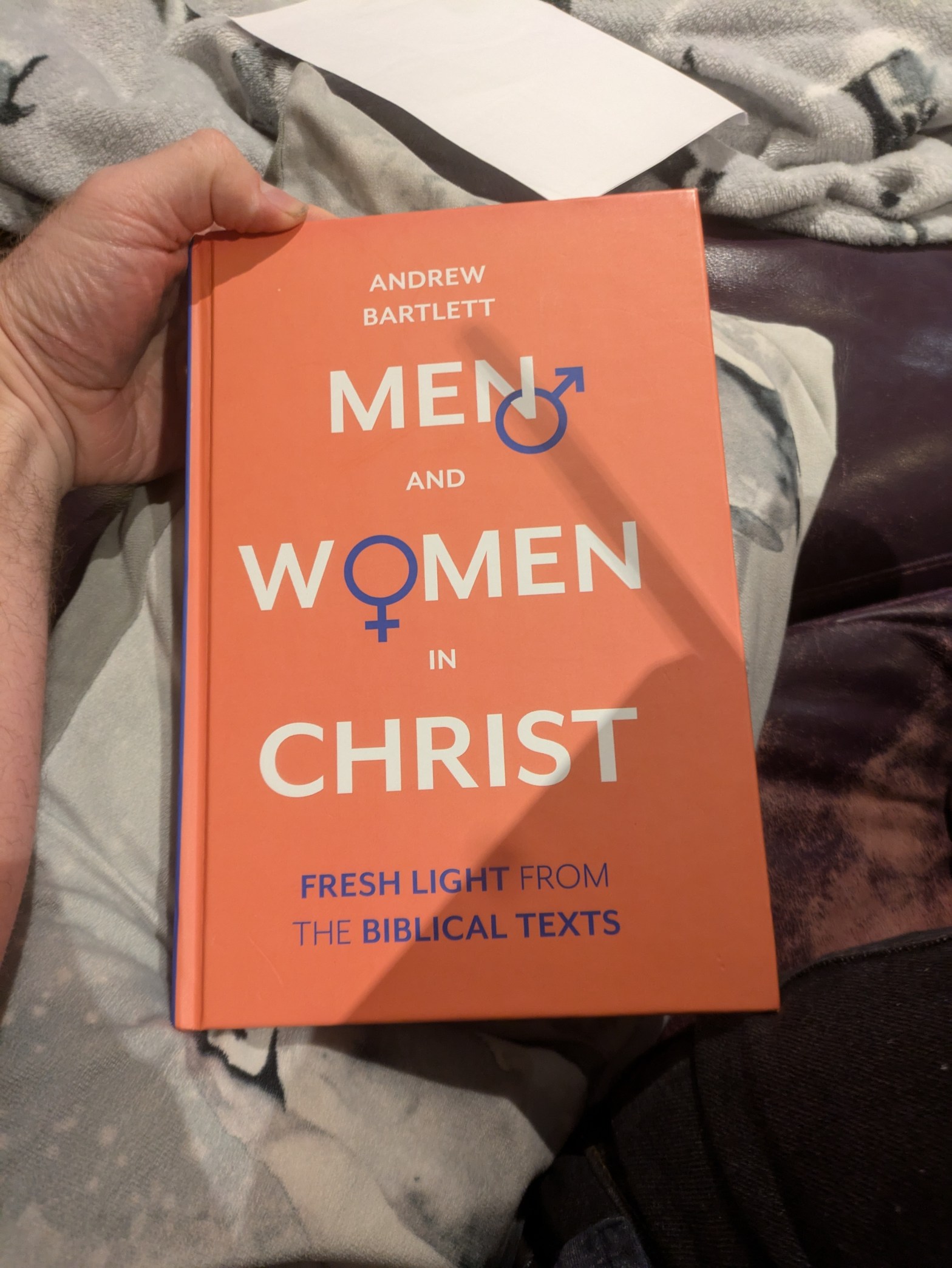
I’ve decided that this is as good a place as any to conclude the debate/conversation I’ve been having with Andrew Bartlett. It’s not a conversation that continue indefinitely and I am at a stage where I need to give my time to other matters that are more my priority here on Faithroots, specifically I’ve got… Continue reading Concluding my interactions with Andrew Bartlett and his book “Men and Women in Christ”
Headship and submission, sacrificial love and entrusting to
A lot of the debate about complementarianism in marriage focuses on two questions. What do the Greek words kephale and hupotasso mean in their contexts. Or what does it mean to refer to the husband as “head” and to instruct a wife to submit in Ephesians 5:22-32. Does Ephesians 5:21 indicate mutual submission and does… Continue reading Headship and submission, sacrificial love and entrusting to
Marriage at work in Ephesians
In my detailed engagement with Andrew Bartlett’s book, “Men and Women in Christ, we’ve got to the bit where he engages with Ephesians 5 and Colossians 3. You will probably have picked up that I think he should have made this his starting point Now, you might think that maybe this reflects my own bias,… Continue reading Marriage at work in Ephesians
Church leadership should reflect not mitigate the home
I’m a complementarian in regard to church leadership because I believe two things, first that this label best describes the pattern for relationships between husbands and wives in the home. Secondly, that the local church is mean to function as an extended family. Let me expand on that a little. First, complementarianism is based on… Continue reading Church leadership should reflect not mitigate the home

