
“But now”, these emphatic words suggest a turning point. If the Law is limited then something big, something different needs to happen. Paul says that this “but now” something different is God’s righteousness which has been revealed to us in another place than the Law. A few options for what is meant by God’s righteousness… Continue reading Romans 3:21-26
Tag: Paul
Romans 3:9-20

Paul has argued that there are real benefits and privileges to being Jewish and the heritage that brings. However, does that actually benefit the Jews? Paul says “no” because Jews and Greeks, in other words, the representative Gentiles, alike sin (v9). He then cites a number of Scripture passages, primarily from the Psalms to demonstrate… Continue reading Romans 3:9-20
Was Phoebe a leader and teacher in the church? Responding to Preston Sprinkle part 3

In his look at Romans 16, Preston Sprinkle spend a bit of time looking at Phoebe. He observes: “Two facts about Phoebe immediately jump out. First, Paul calls her a “deacon [or servant, diakonon] of the church in Cenchreae.” Second, she was a “benefactor [prostatis] of many people, including” Paul. A third significant point isn’t… Continue reading Was Phoebe a leader and teacher in the church? Responding to Preston Sprinkle part 3
Romans 2:25-29
Paul now argues that law keeping and law breaking are central to your status as Jews (circumcised) or Gentiles (uncircumcised). He states that circumcision is of value for those who observe the Law. However, Circumcision without law-keeping is useless, you are considered uncircumcised (v25). In the same way, those who are uncircumcised but keep the… Continue reading Romans 2:25-29
Romans 2:12-16

There is no escaping death. Sin leads to death. This includes both those who sin but haven’t hot the Law (Torah), they still perish and it also includes those who have heard Torah (Jews) but break it. They are judged under the Law (v12). Is this unfair? No, because judgement is not concerning whether or… Continue reading Romans 2:12-16
Romans, Jews, Gentiles, Paul and antisemitism

I’ve been gradually working through the book of Romans whilst at the same time, antisemitism has been rearing it’s ugly head again. Often, antisemitism within Christianity is associated with interpretations of Paul and the Gospels, especially where they are seen to specifically blame Jews for the death of Jesus or to teach the idea of… Continue reading Romans, Jews, Gentiles, Paul and antisemitism
Romans 2:6-11
If God is a righteous judge and not biased, then your ethnic identity, Jew or Greek counts for nothing. God judges according to how we live, what we do, our works (v6). If you patiently do what is right or “do well”, in other words are faithful and seek for what is good, described in… Continue reading Romans 2:6-11
Romans 2:1-5 (notes)
At the start of chapter 2, Paul is addressing any man/person rather than specifically the recipients of his letter. The point is made to those who seek to judge others, they are “without excuse”. This is the conclusion to the preceding argument that God’s righteousness and wrath our revealed clearly but humans choose to suppress… Continue reading Romans 2:1-5 (notes)
Romans 1:24-32 (notes)

We are now told about three ways that God gave humanity up or handed them over. First, he gave their hearts over to lust (v24), second, he gave them over to “dishonourable passions” . note, it’s their bodies that are given over (v26).[1] Thirdly, he handed over their minds or delivered them to “debased minds”… Continue reading Romans 1:24-32 (notes)
A message for elders, wannabe elders and those who are led by them (Acts 20:28-32)
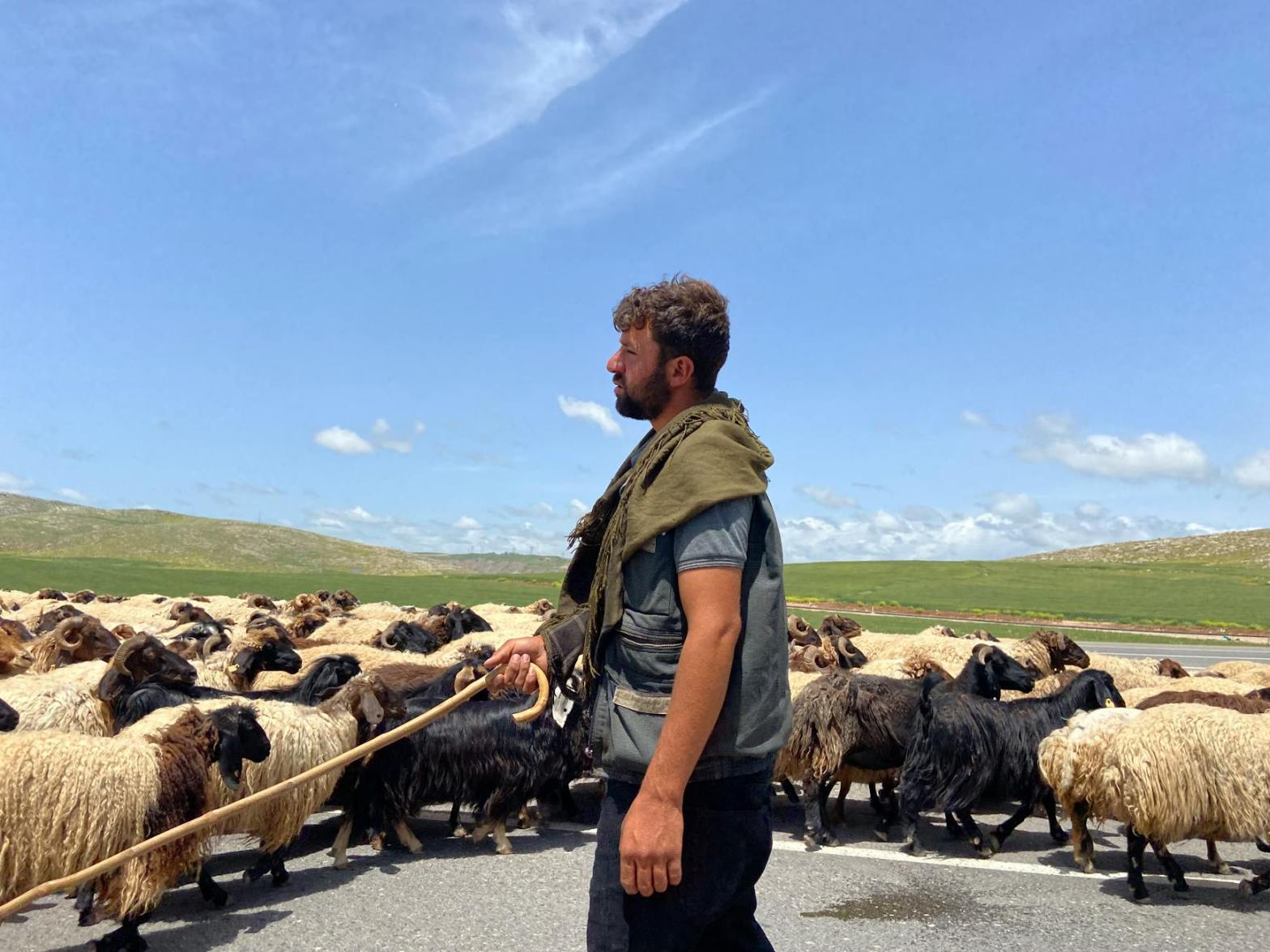
Peter closes his first letter with an exhortation to elders to take their responsibility to provide godly leadership seriously (1 Peter 5:1-4) and for the church family to submit to the elders (1 Peter 5:5). Elsewhere, the Bible tells us to make it a joy and not a burden for our elders to lead and… Continue reading A message for elders, wannabe elders and those who are led by them (Acts 20:28-32)

