
As noted previously, David and Jonathan Gibson have beef with John Stevens over his book “The fight of your life.” Some of their critique is rather peculiar. They acknowledge that it is a short, pastoral work (in fact it was based on a series of talks” and then complain that rather than engaging at length… Continue reading “But I wish you had tap danced”: Why good interpretation of Scripture, historical theology and contemporary conversation partners matters
Category: Theology
Sin, desire and temptation -going a bit further

I’ve recently started to engage with a recent debate/controversy that has been brewing. I think this has primarily been at an academic level, although London Seminary’s Pastor’s Academy seems to be promoting in conferences around the UK. It seems that a significant contribution to the debate is through those seeking to insist that there is… Continue reading Sin, desire and temptation -going a bit further
“Temptation comes from our own desires” What does James have to say about sin, desire and temptation?
James 1:13-14 says: Let no one say when he is tempted, “I am being tempted by God,” for God cannot be tempted with evil, and he himself tempts no one. But each person is tempted when he is lured and enticed by his own desire (ESV). The NIV translates epithumia as “evil desires”, although whilst… Continue reading “Temptation comes from our own desires” What does James have to say about sin, desire and temptation?
Heads, submission and BDAG -my response
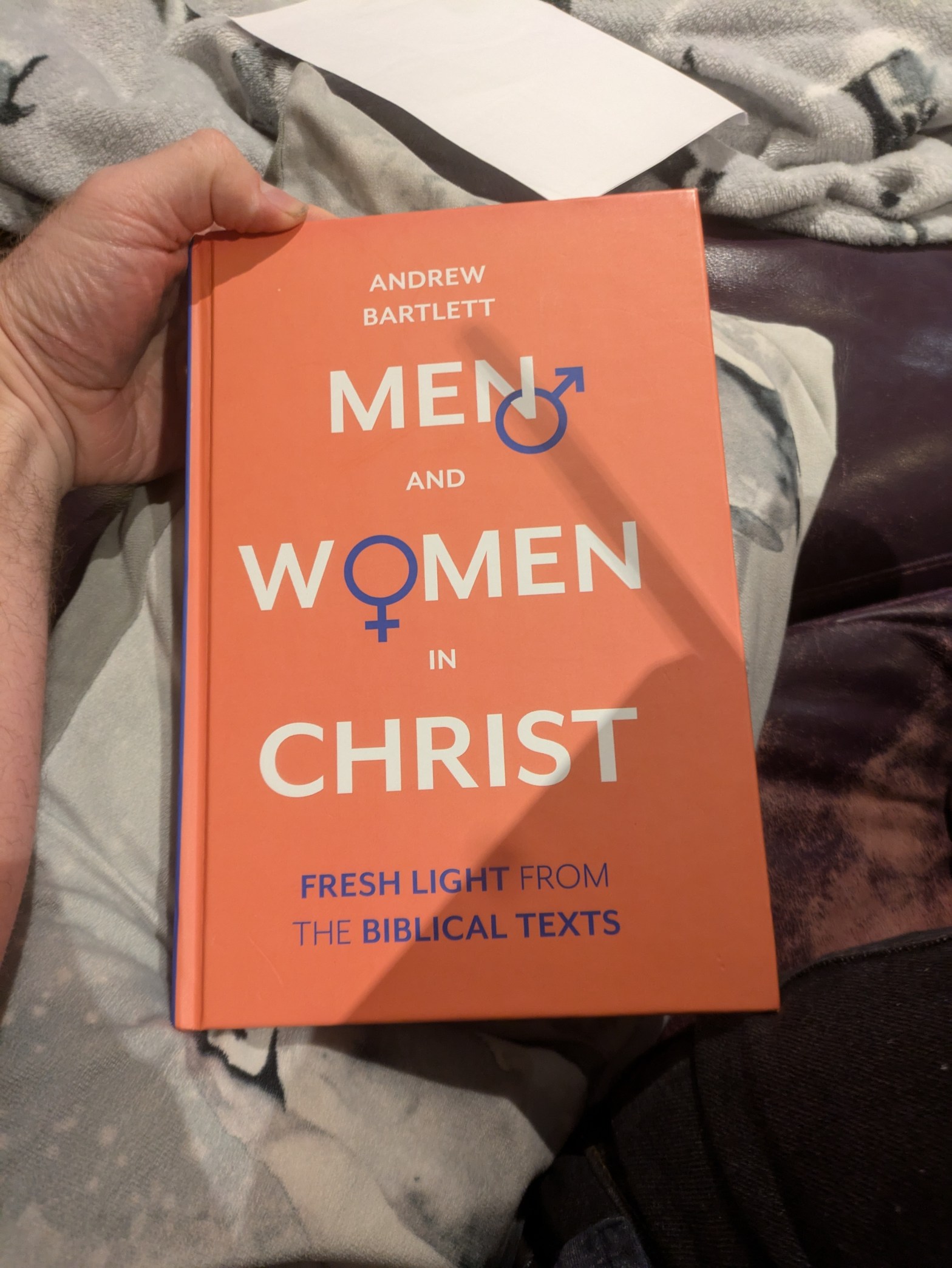
Andrew Bartlett has kindly responded with some comments on my most recent article in our conversation series. As I noted then, I sent him an advanced draft copy and I made a couple of amendments prompted by his comments. I left his response as is because I thought it still helped to prompt a few… Continue reading Heads, submission and BDAG -my response
Is there such a thing as “The Reformed view”?

John Stevens recently drew followers of his Facebook page to a quote from Sinclair Ferguson Within Reformed theology there has always been a diversity of viewpoint on various issues. Being aware of this saves us from naively (but dogmatically!) saying, “The Reformed view is…..” when all we are entitled to say is, “The view held… Continue reading Is there such a thing as “The Reformed view”?
Preaching: what and how.
This is one of the additional chapters to “How do you know?” That I mentioned I was planning It is impossible to talk about the Doctrine of Revelation and how we know about God, Creation, Humanity and New Creation without talking about preaching. What is preaching? It’s important though to be clear about what we… Continue reading Preaching: what and how.
Heads, bodies, submission and BDAG: Andrew Bartlett’s response to my article on Ephesians 5
Heads, bodies, submission and BDAG: Andrew Bartlett’s response to my article on Ephesians 5 Below is Andrew’s response to my latest article. I try to send Andrew an advanced draft of what I’m about to say and keen-eyed observers will notice that I amended the first comment he picks up on, prompted by his comment. … Continue reading Heads, bodies, submission and BDAG: Andrew Bartlett’s response to my article on Ephesians 5
More mangled Bible reading in support of Paedobaptism

This article attempts to argue that infant baptism is mentioned in the Bible by reference to the way Paul describes those who passed through the Red Sea as baptised into Moses (1 Corinthians 10:1-2). It relies on some pretty woeful interpretation of Scripture. First, what Paul does is he takes the events of the Exodus… Continue reading More mangled Bible reading in support of Paedobaptism
Only one person gets to impute their righteousness
I’ve recently picked up again on discussions about paedobaptism. One of the things that came through in responses that although I suspect still a minority, there are a significant number of people who believe that the baptised child does have faith, not merely might have faith. It is worth noting that the two things are… Continue reading Only one person gets to impute their righteousness
Responding to the full argument of the Evangelical Times article on reformed charismatics

I’ve recently engaged with an article from Evangelical Times where the author claimed that he needed to escape from the so called Calvinistic charismatics.. As mentioned before, I did contact ET and make two requests, first that they would publish a response giving the New Frontiers/Reformed Charismatic side of things to enable a fair hearing. … Continue reading Responding to the full argument of the Evangelical Times article on reformed charismatics

